


Several decades have passed since the coining of the idioms: marine or reef “safe” whose connotations are so influential, that once professed, the substance or procedure has been embraced as harmless or good practice, with no questions asked. There was a time when a type of naturally occurring mineral was thus regarded, so much so, that it became widely exploited as a general-purpose heat-resistant texture improver. Many years later, people developed exceedingly aggressive and horrific malignancies. Asbestos is now considered alarmingly hazardous with no minimum “safe” exposure, albeit hitherto ostensibly benign, early moviemakers used it as artificial snow (Midgley, personal communication).
So, how does this help us conserve marine species. As scientific and toxicological investigations have progressed, numerous substances proclaimed as “safe” have been recognized as injurious to aquatic life (Elderfield 1970; Walker 1981; Crandall 1982; Durapipe 1985; Abd ElMalek et al. 1990; Australian Government Initiative 2000; Pettine 2000; CSTEE 2002; Perrot et al. 2007; Lithner et al. 2011; Naphtha 2011; Wright et al. 2013; Quan et al. 2014; Weatherbond Roofing Systems 2015; GTP 2016; Koyama et al. 2016; Everbuild 2017; King 2017; Estokova et al. 2018; Crips 2019). Nevertheless, the influence of these terminologies appears to have hoodwinked all but the few from carrying out up-to-date yet fundamentally simple and non-time-consuming enquiries. In the interests of One World, One Health, most polymer-manufacturing or substance-formulating industries are obliged to publish online safety data sheets (SDSs). It is thus child’s play to check the appropriateness of the materials we use in our salt- or fresh-water systems, while CAS numbers and their documentation help laboratory technicians and factory workers adopt suitable safety measures, whereas a Glossary in Appendix I clarifies some technical terms. Prepare to be amazed.
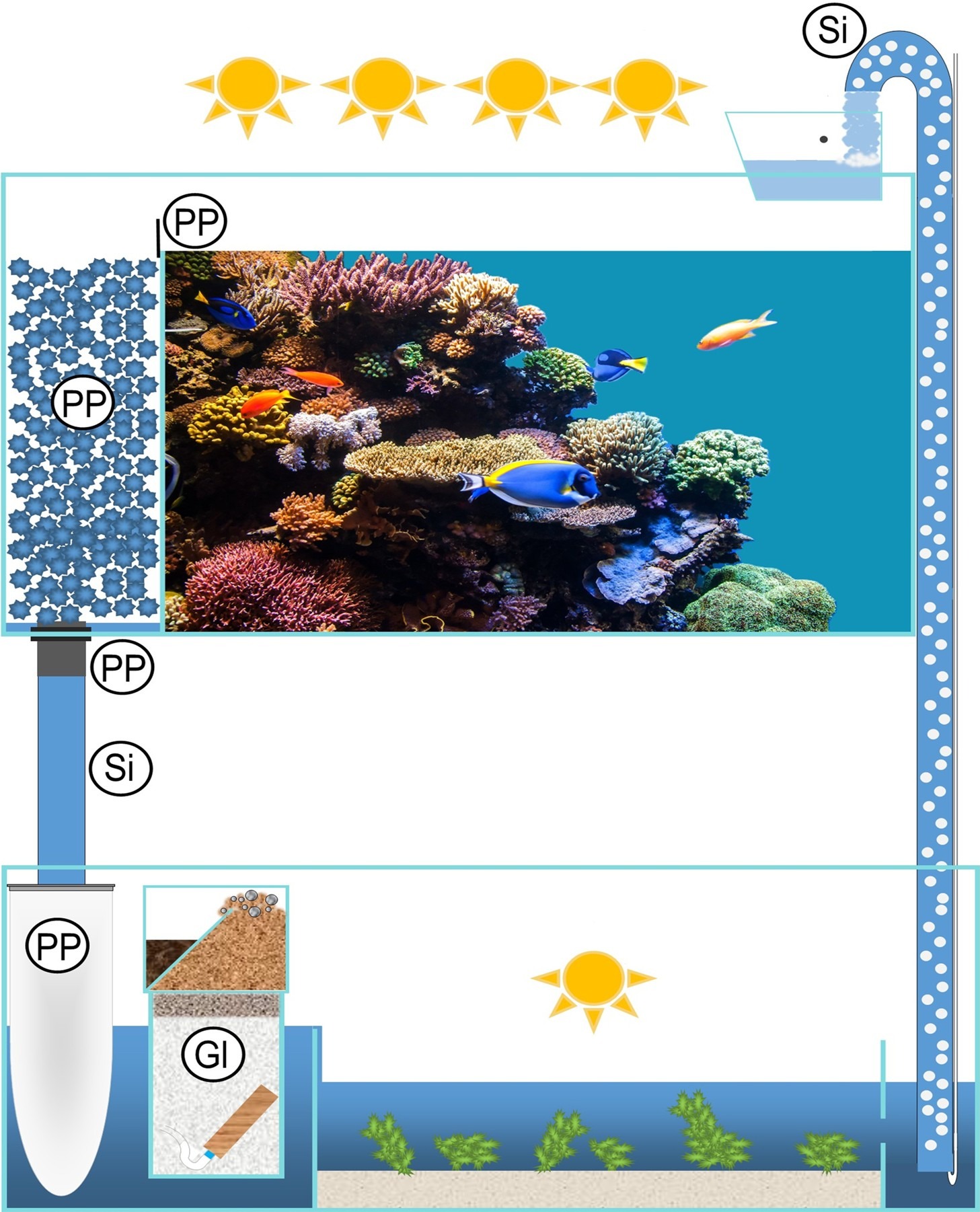
Irrespective of manufacturer, thorough appraisals investigate the materials from which all components are fabricated which are likely to remain unpublished or challenging to trace. That said, technology may not be sufficiently advanced to economically produce durable protein skimmers, wavemakers, and sump return pumps from entirely reef safe plastics which would limit purists to the exploitation of air-driven all-glass protein skimmers and air bubble-generated water movement. The life support systems of truly “natural” reef aquaria and sump systems may thus be impossible unless DIY devices are made from simply glass, silicone sealant and tubing, and reef safe polypropylene (PP; Advanced MSDS 2016). To be clear, these systems would exclude all plastics and pipework of any kind apart from PP, where liquid conduits would be either silicone tubing or square, open-ended, and glass whose aqueous transfer would be facilitated by ascending air, while glass, pure iron, or 316 stainless steel dump buckets would provide “in-tank” surge (Fig 2.; Appendix II). Nevertheless, we must devise ways of attaining a sump flowthrough of 10 times the entire system volume per hour. Microbubbles would be unlikely to cause gas supersaturation and gas bubble disease (GBD) thanks to the absence of mechanical pumps, yet underside air accumulation may prove harmful. Unsurprisingly, species susceptible to bubble ingestion such as boxfish and seahorses would need dedicated bespoke systems.
Thankfully for the industry, countless successful aquarists with ostensibly healthy livestock would conceivably count this an unacceptable regression to the 1970s and ask, why should be care about the survival of inhabitants that we cannot see whose absence does not appear to negatively impact our systems. However, the author hopes this series will nudge the leading manufacturers of aquatic devices and pipework to fabricate them from the next generation of marine safe polymers because plastics and fiberglass comprising styrene, polyvinyl chloride, organotin, crude oil derivatives, and other marine toxins are killing the oceans (Crandall 1982; Abd ElMalek et al. 1990; NIH 2004; Perrot et al. 2007; Fibregrate® 2011; Lithner et al. 2011; Wright et al. 2013; Koyama et al. 2016; Vitku et al. 2016; King 2017; Crips 2019).
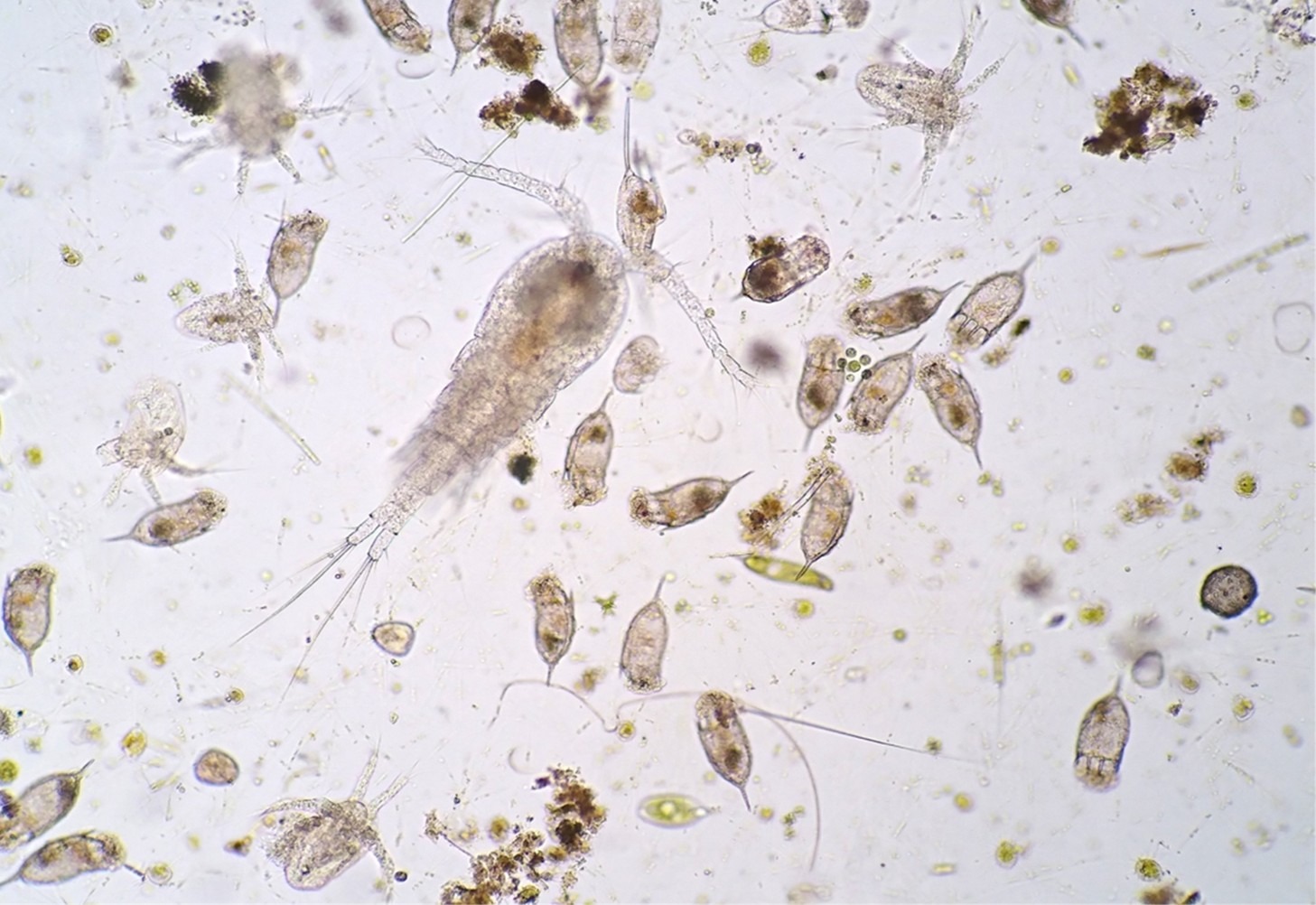
Fig 1. A micrograph of zoo- and phyto-plankton.
Widely available median lethal concentration 50 (LC50) data help laypersons make informed choices, insofar as “everything is toxic at the right concentration”, where statistics specify the solution strength that kills 50 percent of a population of organisms within a predetermined timeframe. Toxicologists are thus armed with the necessary to predict “safe” parameters which are conventionally 1000- to 100-fold less (Handy, personal communication). LC50 is used to appraise toxicants that provoke a dose-dependent response insofar as the molecule may bind to a target cell-surface receptor or intracellular enzyme. Pathology is therefore assumed to be proportional to and caused by the compound’s interaction with such molecules and its localized concentration, which must directly relate to its dose via the route of administration (Timbrell 2002). Exposures are typically one to eight days while several last up to a fortnight with sporadic appraisals concluding after 90. Only the findings of three-month analyses suggest whether substances are suitable for continuous emersion which helps suitably-qualified aquarists select novel therapies and doses for recirculating systems. Assays are mostly carried out on small macroscopic invertebrates or microscopic “algae” whose findings help determine the effect on natural food webs, whereas the most commonly-used finfish are artificially-raised freshwater zebra danio (Brachydanio rerio) and seawater-acclimated black mollies (Poecilia sphenops; Fig 1.; Figs 3. & 4.).
Perceived or Actual Harm
“No observed adverse effect level” (NOAEL) is another empirical yardstick for ascertaining the suitability of compounds, insofar as some elicit dose-dependent mortality or cellular pathology (cytopathy) in 100 percent of individuals at a defined threshold below which all remain outwardly unaffected (Timbrell 2002). The compound is clearly injurious, and simply because no detrimental outcome was evident does not mean that the aqueous ions are safe, especially so, if we consider what is happening at the intracellular and molecular level. We are only certain the investigated organisms failed to exhibit deleterious clinical signs at the designated concentration during the period of exposure. Nevertheless, it is typically only solutes that pose a threat to human health that receive funding for molecular investigations. NOEL and LC50, although indispensable, are limited inasmuch as they do not indicate how other forms of life respond or provide us with an authentic perception of actual harm. If fish could talk.
So even fundamental toxicological screens are based on observational studies carried out in triplicate aquaria. Large public exhibits were traditionally flowthrough where water was continually exchanged with local seawater. Owing to the dissemination of harmful non-endemic species, albeit still subjected to sizeable water changes, such systems are now recirculating. Extensive wholesale facilities also turnover inordinate volumes where 25 percent per day is not out of the ordinary. One can see that the impact that assumed “safe” materials have on aquatic life will be masked by such intense replenishments, yet these systems are likely the kind within which these things were so declared.
Domestic life support systems function very differently. It is merely considered good practice to only monitor the health of the ornamental inhabitants of fish-only systems. Significantly eutrophic from heavy feeds and abounding in synthetic leachates and organo-biocides, communicable disease may have necessitated copper-based and other microbiota-eradicating chemotherapeutics. Silicone sealant absorbs cupric ions from which they leach, hence fish-only displays cannot be safely repurposed for invertebrates.
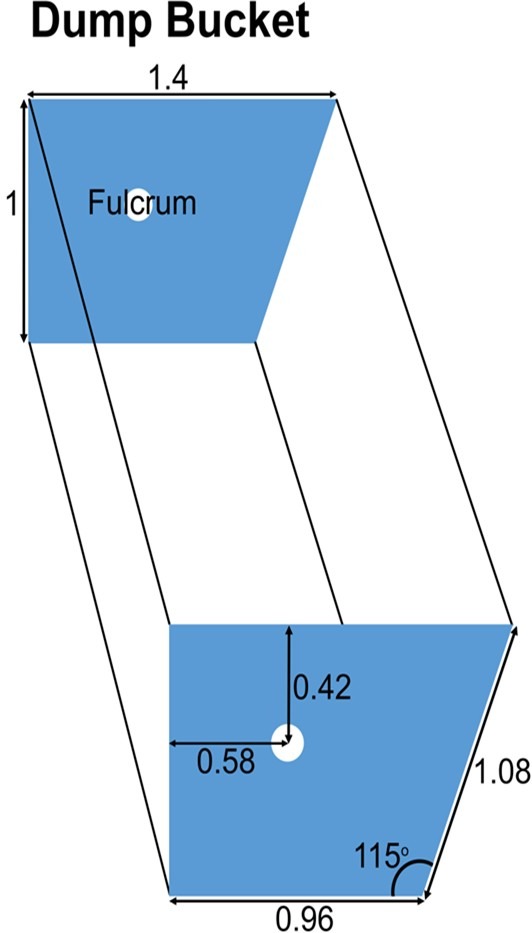
Fig 2. A not to scale illustration of the dump bucket devised by Rich Lerner whose ratios and angles remain constant irrespective of capacity (Delbeek & Sprung 2005). As the bucket fills, it reaches a point where its mass swings it forward to abruptly discharge its payload in the form of “a breaker”.
Reef aquaria demand a holistic approach to design and husbandry because they are pseudo-standalone ecosystems whose performance is impacted by the wellbeing of their micro- to macro-scopic residents. Predation of their photosynthetic primary producers promotes their indispensable organic carbon together with nitrogen and phosphorus to higher trophic levels upon which all other organisms entirely or partially rely. For instance, silicious micro-“algae” such as diatoms appear necessary for molluscan survival (Holmes-Farley 2003), whereas arthropods and other crustaceans that ultimately supplement fish diets, devour tiny phototrophs that are likely components of natural phytoplankton (Aslett 2023). Intriguingly, the frustules of deceased diatoms do not dissolve in captivity (Holmes-Farley 2003), and despite the nutrient-poor oligotrophy common to pristine wild reef environments, anything short of 1 mg l-1 (ppm) of phosphate together with significant nitrogen is unable to support the recirculating culture of blooms of waterborne “algae”. Hence our reefs will never accurately represent the diversity found in the wild, yet their intricate food webs attain a functional equilibrium. Ions that eliminate even the most seemingly insignificant member of the ecosystem can increase the dietary requirements of fish, which demands higher inputs of food that snowball eutrophy. A widespread nosedive in diversity may thus arise from the demise of pollution-susceptible populations (Turon et al. 2019), insofar as nitrate is lysed to nitrite by ultraviolet (UV) which imperils copepods and amphipods (Holmes-Farley 2005). However, such photodegradation is likely nominal or nitrite is swiftly oxidized, because the inhabitants of robustly UV-sterilized commercial fish-only systems would keel over.
Nitrate irreversibly converts vertebrate hemoglobin and invertebrate hemocyanin to met-hemoglobin and -hemocyanin which cannot carry oxygen. Freshwater organisms tend to be more sensitive where maximum recommended limits for healthy watercourses remain around 2 mg l-1 (ppm); however, the larvae of small saltwater crustaceans are more vulnerable which may be affected at a comparable concentration. Furthermore, enriching nitrate exerts greater impacts. Therefore, dying or consumed arthropods are unlikely to be replaced by their young (Camargo et al. 2004), hence eutrophy favors the proliferation and predominance of a limited number of resilient undesirable organisms that tend to overwhelm the display. Conversely, experienced aquarists may endeavor to attenuate unsightly “algae” by attaining and sustaining phosphate-limitation which results in the regression of hermatypes and a less than thriving community. Although such scenarios represent extremes, the underlying dynamic that strikes a balance between innumerable opposing processes, operates on a sliding scale. Hence modifying one parameter impacts others. Poor design and management may result in life support system failure, whereas several ostensibly trivial enhancements can restore function and elevate performance.
Several bottled potions claim to redress a lack of diversity; however, the first step in restoring these abnormalities re-examines the system and husbandry for the underlying cause. Anything but a marketing ploy, why would products have been developed if our reefs did not include ions that eliminate cross-sections of the microbiota. Nevertheless, not all waterborne toxins are manmade. Allelopathic compounds released by several kinds of harmful algal blooms (HABs) and some sessile invertebrates including “soft” corals have evolved to impact the life cycles of competing species (Ulitzur & Shilo 1970; Khan et al. 1997; Nakamura et al. 1998; Knee 2001; Delbeek & Sprung 2005a; Haque & Onoue 2005; Kamel & Slatter 2005; Proenca et al. 2009; Anjaneyulu & Murthy 2010; Ling & Trick 2010; Manning & La Claire 2010; Martnez et al. 2010; Riddle 2014; Rasmussen et al. 2016; Farag et al. 2017; Lee et al. 2017; Tijssen et al. 2017; Wagstaff et al. 2018; Wu et al. 2018). The routine mandatory exploitation of reef-grade granular activated carbon (GAC) forestalls the accumulation of phenolics like carotenoids and terpenoids (Knee 2001; Wilson, personal communication; Riddle 2014; Lee et al. 2017) which appears sufficient to keep allelopathics in check (Delbeek & Sprung 2005a). Nevertheless, GAC cannot be used more frequently than once a month for 48 hours which must be prerinsed in copious amounts of reverse osmosis (R/O) water (Aslett 2024).
Proprietary concoctions may contain deleterious preservatives or persistent chelating agents such as ethylenediaminetetraacetic acid (EDTA; Yanong 2018) that sequester useful ions, while hobbyists are free to consult any product’s SDS to determine the contents of what they intend to use. It is advised that nothing is added to a system until such investigations have been carried out, and even then, only after ascertaining the prevailing concentration (Wilson, personal communication). Heavy-handed dosing of heterotrophic microbes can stall indispensable autotrophic nitrification (Hovanec, personal communication).
Another useful and enlightening exercise is testing all consumables for phosphate. By necessity, all feeds include significant amounts, but the water within which brine and mysis shrimp are frozen is extraordinarily eutrophic. Budget live phytoplankton is not produced to exacting standards which may contribute to unsightly and persistent blooms of toxic or benign dinoflagellates. Solids can be added to phosphate tests of R/O water and shaken (Delbeek & Sprung 1994), whilst many liquids are “off the scale”. Some synthetic marine salts contain traces of phosphate so avoid inadvertently inoculating your reef with eutrophicants.
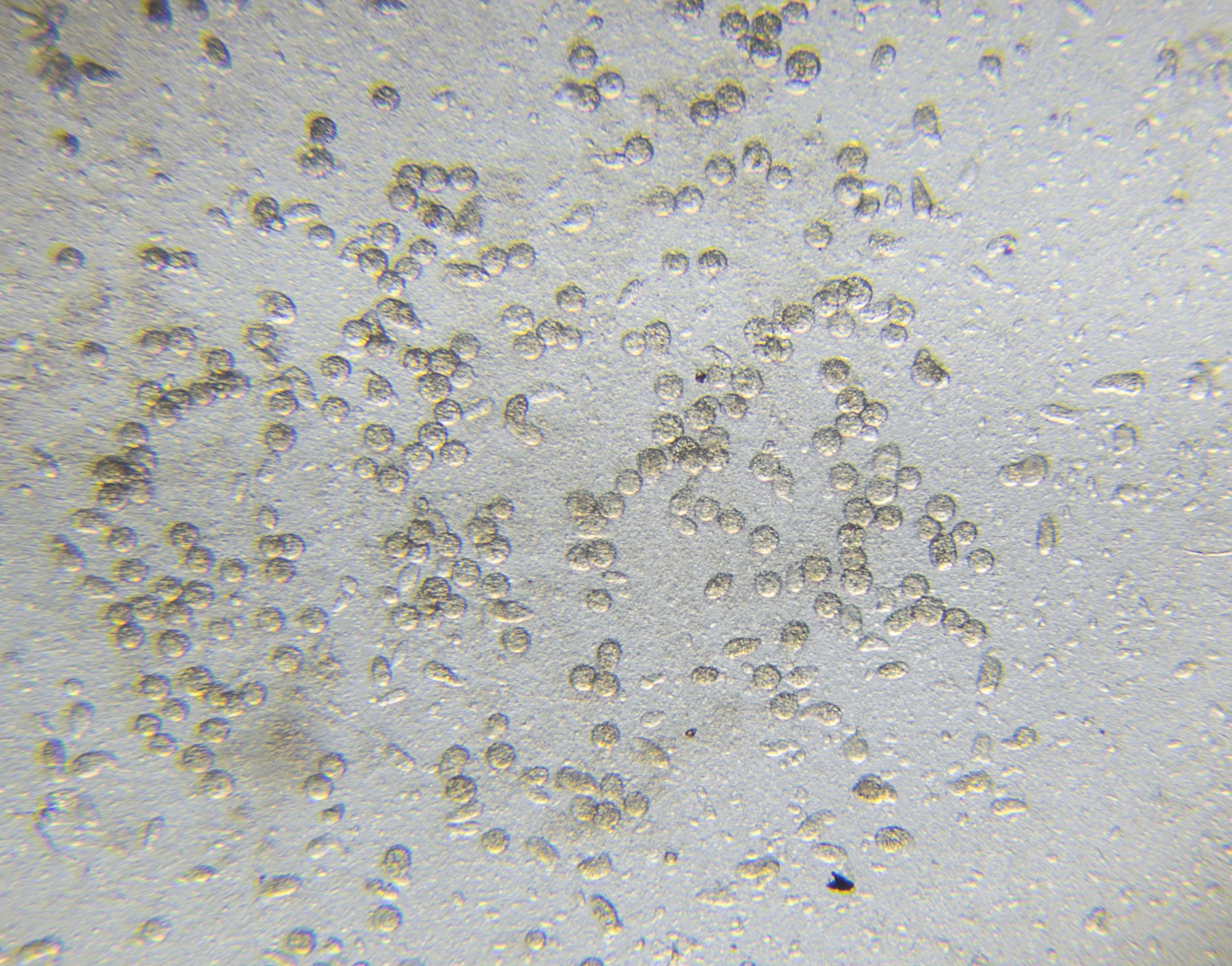
Fig 3. A micrograph of marine pico- and nano-plankton comprising protozoa, chromists, and bacteria.
A taste of things to…
Polyethylene (polythene; PE) pond liners are UV-resilient, non-toxic and non-biodegradable, and 100 percent marine safe (Martinez-Romo et al. 2015; Plastim 2019) while the safety of their sealing tapes has yet to be appraised. The SDSs for ethylene-propylene elastomer (EPDM) pond liners and tapes states that their toxicological information remains unavailable for aquatic environments (Weatherbond Roofing Systems 2015; GTP 2016), whereas the equivalent documentation for butyl pond liner sealant specifies “warning: chronic aquatic toxicity, category 3 H412: harmful to aquatic life with long lasting effects” (Everbuild 2017). Due to the corrosive nature of saltwater and the inability of butyl tapes and sealants to fully cure, there is a significant risk of leaching injurious aromatic hydrocarbons.
Insta-SetTM is a proprietary accelerant for super or cyanoacrylate glue whose SDS states low toxicity, yet it directs the reader to research naphtha’s suitability which makes up 98 percent of the product (Insta-SetTM 2010). Naphtha is a highly flammable petroleum derivative commonly used in lanterns, which contains elemental sulphur and the profoundly toxic organics benzene, cyclohexane, ethylbenzene, N-hexane, pentane, 1,2,4-trimethylbenzene, toluene, xylene, and heptane. Naphtha’s published data affirms its “toxicity to fish; acute and prolonged toxicity for aquatic invertebrates, and toxicity to algae” (Naphtha 2011). It is unclear if Insta-SetTM evaporates to leave a nontoxic residue because reputable marine suppliers endorse its use, although further evidence appears lacking. NOAE does not highlight subclinical impairment while miniature and microscopic biota may only be surveyed using routine glass scrapes and brightfield microscopy (Aslett 2024a).
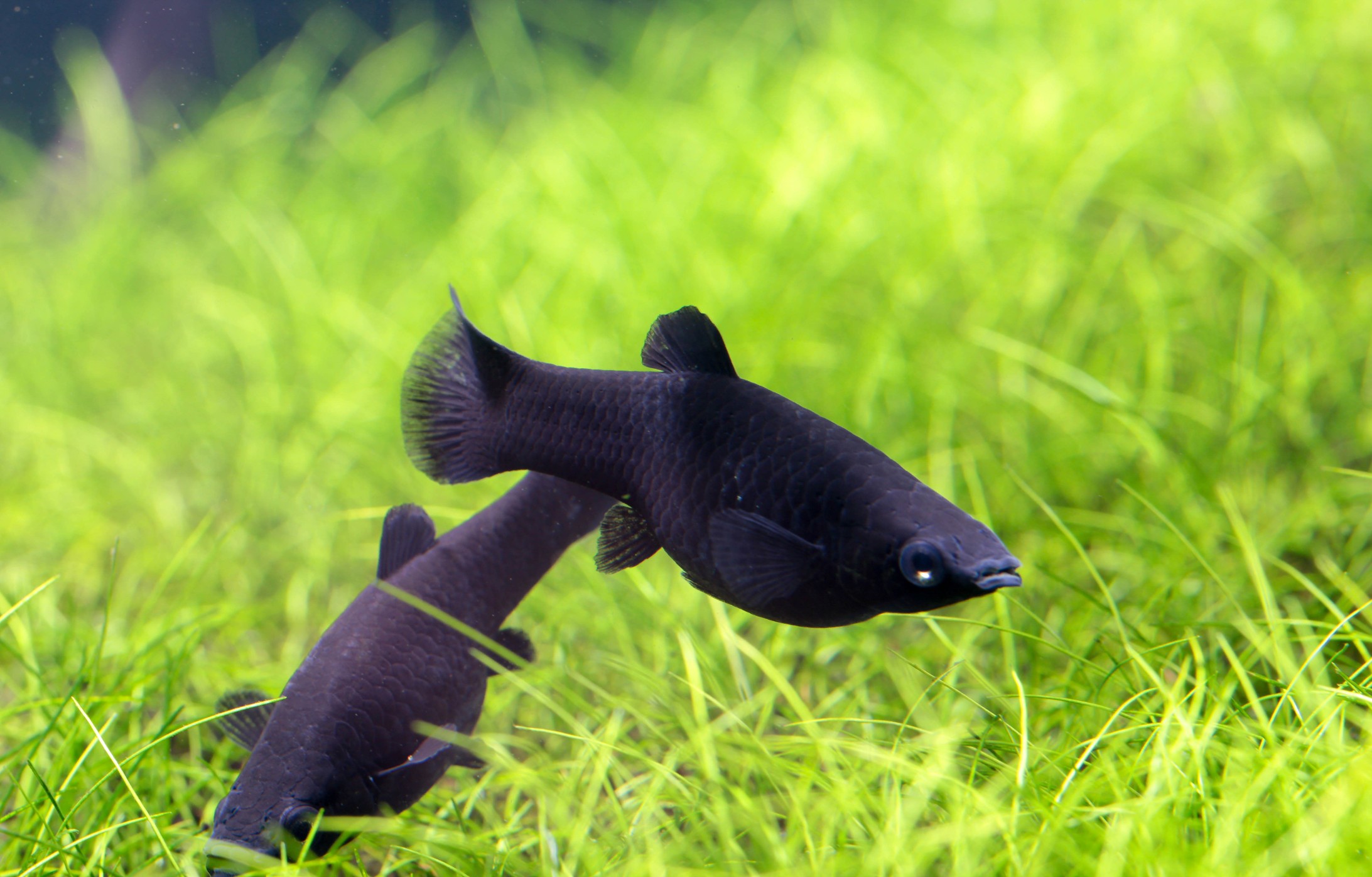
Fig 4. Black mollies (Poecilia sphenops) naturally inhabit fresh and brackish water but acclimate to full-strength seawater where they are widely used in research.
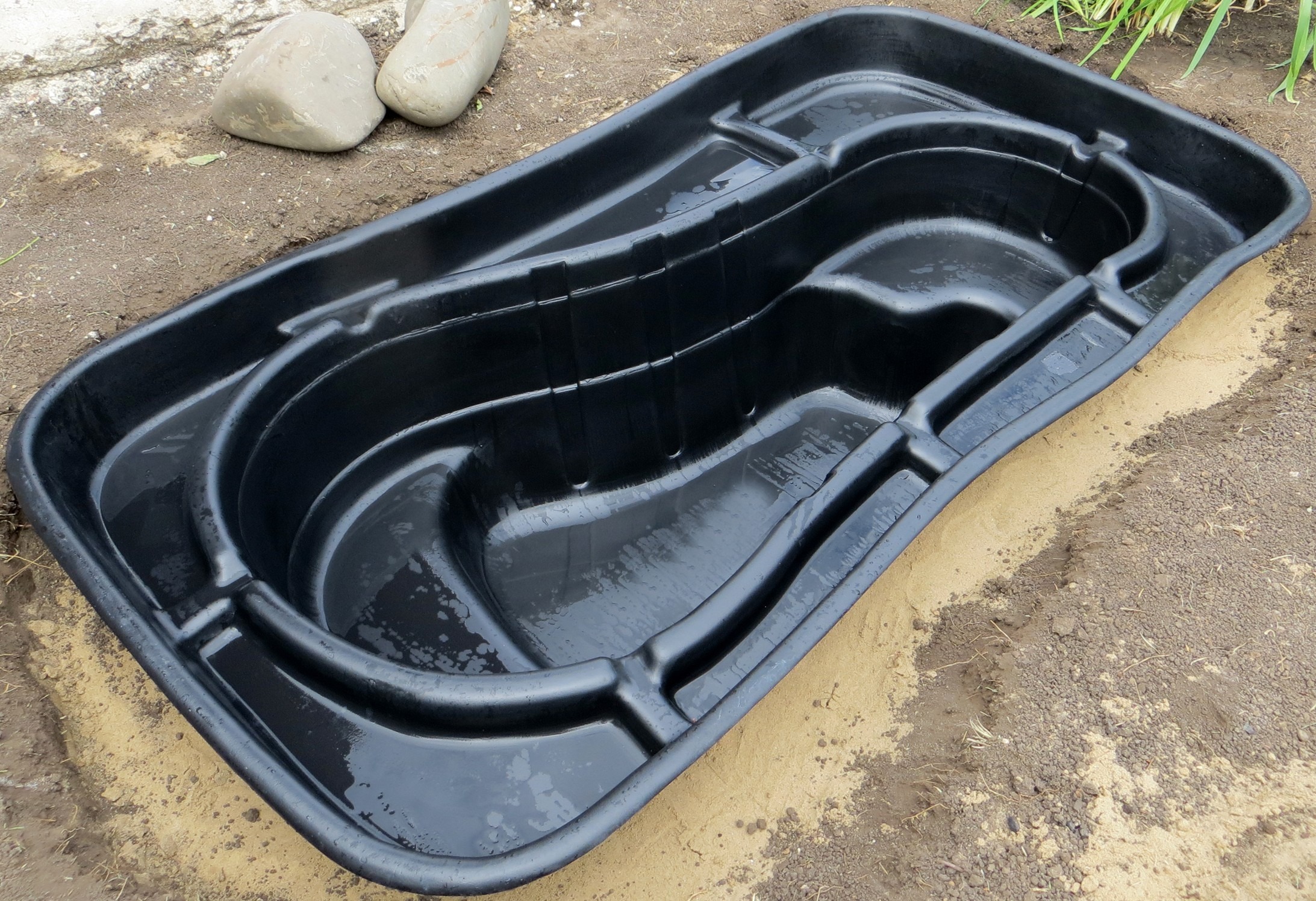
Fig 5. A reef pool-appropriate entirely marine safe, nonbiodegradable, UV-insensitive preformed high-density polyethylene (HDPE; polythene) pond liner (Martinez-Romo et al. 2015; Plastim 2019.
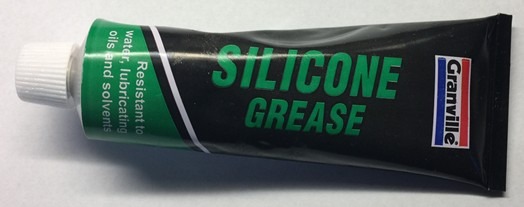
Fig 6. Pure silicone grease available from plumber’s merchants.
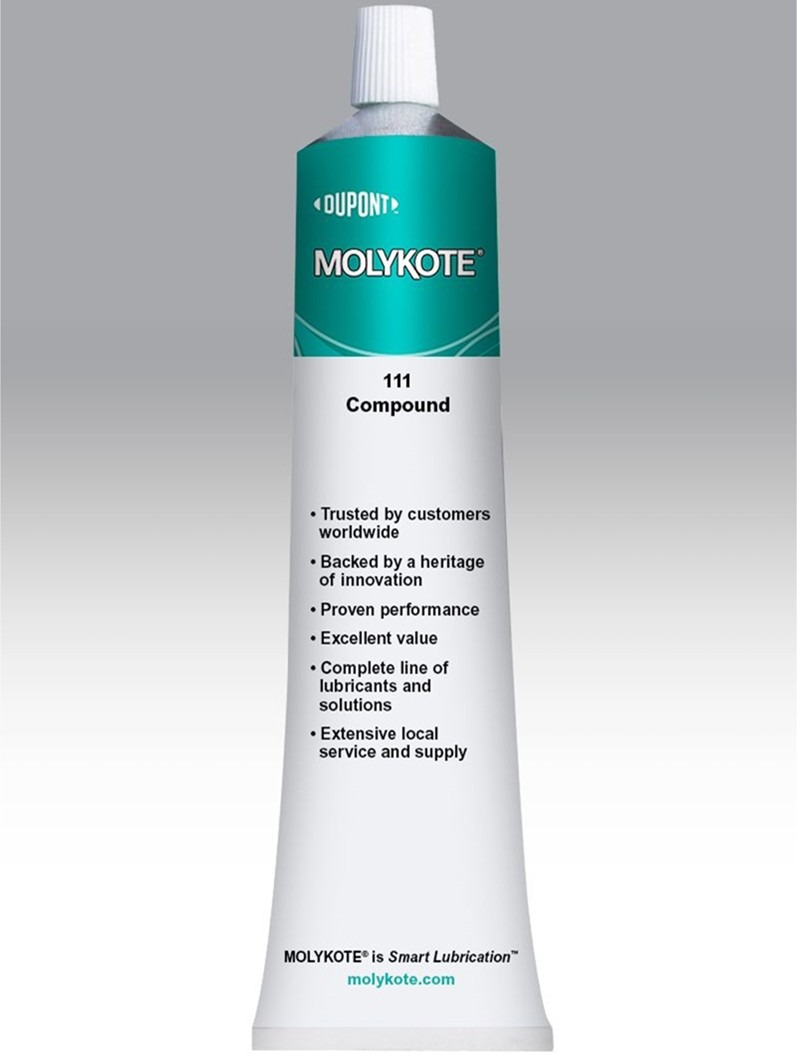
Fig 7. DuPont Molykote® 111 is a marine safe grease comprising dodecamethyl cyclohexasiloxane (CAS No. 540-97-6) suitable for coating pump components that offers long-term protection and lubrication. Image courtesy of DuPont©.
Perhaps by virtue of its skin-moisturizing competency, many hobbyists think that Vaseline® is an appropriate O-ring restorative; however, it is petroleum jelly that some people use to light fires. It is made from gasoline that is a fractional distillate of crude oil. Oil rots rubber, while crude oil derivatives… Only pure silicone grease and Molycote® 111 are ostensibly marine safe, and therefore suitable for reconditioning O-rings or lubricating submerged moving parts.
This eye-opening series presents the findings of up-to-date toxicological and legislative literature to unearth unsafe procedures and materials with an aim of empowering each aquarist with the ability to establish and maintain ecologically-sound and high-performing recirculating systems. Savor the emergence of the latest definitive safe substance and practice paradigm as this journey unfolds.
Appendix I, Glossary
Eutrophic refers to “well fed” aquatic environments typically enriched in phosphates and inorganic nitrogenous compounds.
Eutrophication is the process by which enriched nutrients in aquatic ecosystems elicit algal blooms which leads to nutrient limitation and algal die-off, thereupon their microbial decomposition sequesters DO and causes wildlife-decimating ecological hypoxia. The term is also used informally to refer to a process by which nutrients become enriched.
Food Web defines the interactions of all localized food chains to yield an overall appreciation of the feeding relationships of a community and its utilization and flow of in- and -organic chemical energy (Wallace et al. 1996).
Sessile organisms are permanently attached to surfaces like corals and sponges.
Appendix II
References
Abd ElMalek, M., Messiha, N. & Ayoub, M. (1990) Modern antifouling compositions Part IV Controlled release, less hazardous, low cost highly efficient antifouling compositions. Pigment & Resin Technology. 19(9), 7-11.
Advanced MSDS (2016) Safety Data Sheet Polypropylene (PP). S&M-FRM-0007, Rev-6.
Anjaneyulu, A. & Murthy, M. (2010) Two New Terpenoid Derivatives from a New Soft Coral Species of the Nephthea genus of the Indian Ocean. Cheminform. 31,.
Aslett, C., G. (2023) Holosystemics Part I: Captive Reef Function versus Malfunction. https://www.ReefRanch.co.uk/
Aslett, C., G. (2024) Teach a Person to Fish… SPS Academy part XI. https://www.reefranch.co.uk/
Aslett, C., G. (2024a) Reef Focus: Microscopes and Histology: An Introduction. https://www.reefranch.co.uk/
Australian Government Initiative (2000) Austria & New Zealand Guidelines for Fresh and Marine Water Quality. Chromium in freshwater and marine water. https://www.waterquality.gov.au/anz-guidelines/guideline-values/default/water-quality-toxicants/toxicants/chromium-2000#:~:text=Factors%20that%20affect%20toxicity%20of,review%20by%20Pawlisz%20et%20al.&text=In%20contrast%2C%20in%20hard%20water,it%20was%2067.4%20mg%2FL
Camargo, J., A., Alonso, A. & Salamanca, A. (2004) Evaluation of the effect of water type on the toxicity of nitrate to aquatic organisms. doi.org/10.1016/j.chemosphere.2004.10.044
Crandall, M., S. (1982) Extent of Exposure to Styrene in the Reinforced Plastic Boat Making Industry. NIOSH Technical Report, US Department of Health and Human Services.
Crips, D. (2019) Polyester Resins. NetComposites.com. Gardner Business Media Inc. https://netcomposites.com/guide/resin-systems/polyester-resins/
CSTEE (2002) Scientific Committee On Toxicity, Ecotoxicity and The Environment (Cstee). Risks to Health From Chromium Vi in Cement. European Commission Directorate-General Health and Consumer Protection. https://ec.europa.eu/health/archive/ph_risk/committees/sct/documents/out158_en.pdf
Delbeek, C. & Sprung, J. (1994) The Reef Aquarium: A Comprehensive Guide to the Identification and Care of Tropical Marine Invertebrates (Volume 1). Two Little Fishies. p 115.
Delbeek, J., C. & Sprung, J. (2005) The Reef Aquarium: Science, Art, and Technology. Two Little Fishes Inc., d.b.a. Ricordea Publishing, 1007 Park Centre Blvd., Miami Gardens, Florida 33169, USA. (eds.). p 426.
Delbeek, J., C. & Sprung, J. (2005a) The Reef Aquarium: Science, Art, and Technology. Two Little Fishes Inc., d.b.a. Ricordea Publishing, 1007 Park Centre Blvd., Miami Gardens, Florida 33169, USA. pp 643-644.
Durapipe (1985) Methods. Anti-Corrosion Methods and Materials. 32(12), 15-16.
Elderfield, H. (1970) Chromium speciation in sea water. Earth and Planetary Science Letters. 9(1), 10-16.
Estokova, A., Palascakova, L. & Kanuchova, M. (2018) Study on Cr(VI) Leaching from Cement and Cement Composites. International journal of environmental research and public health. 15(4), 824.
Everbuild (2015) Jetcem Rapid Set Cement, Safety Data Sheet, according to regulation (EC) No. 1907/2006. https://www.everbuild.co.uk/wp-content/uploads/2017/08/Jetcem%20Rapid%20Set%20Cement%20SDS%20v2.3.pdf
Everbuild (2017) Everbuild 145 Butyl Rubber Sealant. Safety Data Sheet, according to: Regulation (EC) No. 1907/2006. https://www.everbuild.co.uk/wp-content/uploads/2017/08/Everbuild%20145%20Butyl%20Rubber%20Sealant%20V2.pdf
Farag, M., Al-Mahdy, D., Meyer, A., Westphal, H. & Wessjohann, L. (2017) Metabolomics reveals biotic and abiotic elicitor effects on the soft coral Sarcophyton ehrenbergi terpenoid content. Scientific Reports. 7(1), 1-11.
Fibregrate® (2020) Fibregrate.com. https://www.fibergrate.com/products/molded-gratings/ecograte%C2%AE-62/#tabs-2 [last accessed 17 October 2020].
GTP (2016) Material Safety Data Sheet EPDM. Ethylene-Propylene Elastomer. Ethylene-Propylene-Diene Terpolymer (CAS number: 25038-36-2). GTP an Enpro Industries Company. https://www.gptindustries.com/sites/default/files/documents/en/EPDM%20Material%20Safety%20Data%20Sheet_0.pdf
Handy, R. The Toxicology Department, The University of Plymouth, UK.
Haque, S. & Onoue, Y. (2005) Effects of Salinity on Growth and Toxin Production of a Noxious Phytoflagellate, Heterosigma akashiwo (Raphidophyceae). Botanica Marina. 45(4), 356-363.
Holmes-Farley, R. (2003) Silica in Reef Aquariums. AdvancedAquarist.com. https://www.advancedaquarist.com/2003/1/aafeature1
Holmes-Farley, R. (2005) Reef Alchemy: Nitrite and the Reef Aquarium. ReefKeeping.com. https://reefkeeping.com/issues/2005-06/rhf/index.php
Holmes-Farley, R. (2005a) What is that Precipitate in My Reef Aquarium? Reef Alchemy with Randy Holmes-Farley. ReefKeeping.com. http://reefkeeping.com/issues/2005-07/rhf/index.php#3
Hovanec, T. (2019) Dr. How to harness bacteria to cycle your saltwater tank quickly! | MACNA 2019. BrsTV. https://www.youtube.com/watch?v=zDI7sxqC-ss
Insta-SetTM (2010) Safety Data Sheet. http://mpf.aap.cornell.edu/mpf/msds/shop/annex_supplies/insta_set_accelerator.pdf
Kamel, H., N. & Slattery, M. (2005) Terpenoids of Sinularia.: Chemistry and Biomedical Applications, Pharmaceutical Biology. 43(3), 253-269.
Khan, S., Arakawa, O. & Onoue, Y. (1997) Neurotoxins in a toxic red tide of Heterosigma akashiwo (Raphidophyceae) in Kagoshima Bay, Japan. Aquaculture Research. 28(1),.
King, C. (2017) Polyesters For Use in The Fibreglass Industry. X-Polymers-B-Use with Fibreglass. Wansbrough, H. (ed.). Nuplex Industries Ltd. pp 1-8. https://nzic.org.nz/app/uploads/2017/10/10B.pdf
Knee, M. (2001) Terpenoids and Phenolics. Oregon State University. PlantFacts.osu. https://plantfacts.osu.edu/resources/hcs300/biochem3.htm
Koyama, J., Nigaya, S., Takenouchi, A., Kokushi, E. & Uno, S. (2016) Bioaccumulation of environmental organotin compounds in translocated rock shell Thais clavigera in Kagoshima Bay. Fisheries Science. 82(6), 975-982.
Lee, Y., S., Duh, T., H., Siao, S., S., Chang, R., C., Wang, S., K. & Duh, C., Y. (2017) New Cytotoxic Terpenoids from Soft Corals Nephthea chabroli and Paralemnalia thyrsoides. Marine drugs. 15(12), 392.
Ling, C. & Trick, C., G. (2010) Expression and standardized measurement of hemolytic activity in Heterosigma akashiwo. Harmful Algae. 9(4), 522-528.
Lithner, D., Larsson, A. & Dave, G. (2011) Environmental and health hazard ranking and assessment of plastic polymers based on chemical composition. Science of the Total Environment. 409(18), 3309-3324.
Manning, S. & La Claire, J. (2010) Prymnesins: toxic metabolites of the golden alga, Prymnesium parvum Carter (Haptophyta). Marine drugs. 8(3), 678-704.
Martinez-Romo, A., Gonzalez-Mota, R., Soto-Bernal, J., J. & Rosales-Candelas, I. (2015) Investigating the Degradability of HDPE, LDPE, PE-BIO, and PE-OXO Films under UV-B Radiation. Journal of Spectroscopy. 2015,.
Martnez, R., Orive, E., Laza-Martnez, A. & Seoane, S. (2010) Growth response of six strains of Heterosigma akashiwo to varying temperature, salinity and irradiance conditions. Journal of Plankton Research. 32(4). 529-538.
Midgley, D. Coalcroft Photography. Leeds, UK.
Nakamura, A., Okamoto, T., Komatsu, N., Ooka, S., Oda, T., Ishimatsu, A. & Muramatsu, T. (1998) Fish Mucus Stimulates the Generation of Superoxide Anion by Chattonella marina and Heterosigma akashiwo. Fisheries Science. 64, 866-869.
Naphtha (2011) Material Safety Data Sheet. https://www.collectioncare.org/MSDS/naphthamsds.pdf
NIH (2004) COMPOUND SUMMARY Phenanthrene. The National Library of Medicine. National Centre for Biotechnology Information (NCBI). https://pubchem.ncbi.nlm.nih.gov/compound/Phenanthrene
Perrot, Y., Baley, C., Grohens, Y. & Davies, P. (2007) Damage Resistance of Composites Based on Glass Fibre Reinforced Low Styrene Emission Resins for Marine Applications. Appl Compos Mater. 14, 67-87.
Pettine, M. (2000) Redox Processes of Chromium in Sea Water. Gianguzza, A., Pelizetti, E. & Sammartano, S. (eds.). Chemical Processes in Marine Environments. Environmental Science. Springer, Berlin, Heidelberg. Chapter 15.
Plastim (2019) Material Safety Data Sheet. HDPE – PE 300. Plastim, Subsidiary of Omnia Plastica, Gloucestershire, UK. pp 1-4. https://plastim.co.uk/wp-content/uploads/2019/07/HDPE-PE300-Safety-Data-Sheet.pdf
Proenca, L., A., Tamanaha, O. & Fonseca, R., S. (2009) Screening the toxicity and toxin content of blooms of the cyanobacterium Trichodesmium erythraeum (Ehrenberg) in Northeast Brazil. Journal of Venomous Animals and Toxins Including Tropical Diseases. 15,.
Quan, H., Ma, T., Zhao, X., Zhao, B., Liu, Y. & Li, H. (2014) Vinyl Chloride Monomer (VCM) Induces High Occurrence of Neural Tube Defects in Embryonic Mouse Brain During Neurulation. Cellular and Molecular Neurobiology. 34(4), 619-630.
Rasmussen, S., Meier, S., Andersen, N., Blossom, H., Duus, J., Nielsen, K., Hansen, P. & Larsen, T. (2016) Chemodiversity of Ladder-Frame Prymnesin Polyethers in Prymnesium parvum. Journal of natural products. 79(9), 2250-2256.
Riddle, D. (2014) Effects of Yellow Water on Light Transmission in an Aquarium – Why Should You Care. AdvancedAquarist.com. https://www.advancedaquarist.com/2014/1/aafeature
Tijssen, J., Wijgerde, T., Leal, M. & Osinga, R. (2017) Effects of zinc supplementation on growth and colouration of the scleractinian coral Stylophora pistillata. Peerj Preprints. 2017,.
Timbrell, J. (2002) Introduction to Toxicology, Third Edition. Taylor & Francis, London. pp 11-14.
Turon, M., Cáliz, J., Triadó-Margarit, X., Casamayor, E., O. & Uriz, M., J. (2019) Sponges and Their Microbiomes Show Similar Community Metrics Across Impacted and Well-Preserved Reefs. Frontiers in Microbiology. 10, 2019.
Ulitzur, S. & Shilo, M. (1966) Mode of Action of Prymnesium parvum Ichthyotoxin. The Journal of Protozoology. 13, 332-336.
Ulitzur, S. & Shilo, M. (1970) Procedure for purification and separation of Prymnesium parvum toxins. Biochimica et biophysica acta. 201(2), 350-363.
Vitku, J., Heracek, J., Sosvorova, L., Hampl, R., Chlupacova, T., Hill, M., Sobotka, V., Bicikova, M. & Starka, L. (2016) Associations of bisphenol A and polychlorinated biphenyls with spermatogenesis and steroidogenesis in two biological fluids from men attending an infertility clinic. Environment International. 89, 166-173.
Wagstaff, B., Hems, E., Rejzek, M., Pratscher, J., Brooks, E., Kuhaudomlarp, S., O’Neill, E., Donaldson, M., Lane, S., Currie, J., Hindes, A., Malin, G., Murrell, J. & Field, R. (2018) Insights into toxic Prymnesium parvum blooms: the role of sugars and algal viruses. Biochemical Society transactions. 46(2), 413-421.
Wagstaff, B., Rejzek, M. & Field, R. (2018a) Identification of a Kdn biosynthesis pathway in the haptophyte Prymnesium parvum suggests widespread sialic acid biosynthesis among microalgae. The Journal of biological chemistry. 293(42), 16277-16290.
Walker, A. (1981) Vinyl chloride disorder. British Journal of Dermatology. 105, 19-23.
Wallace, R., A., Sanders, G., P. & Ferl, R., J. (1996) Biology: The Science of Life, Fourth Edition, HaperCollins Publishers Inc. New York, USA. G-11.
Weatherbond Roofing Systems (2015) Safety Data Sheet. EPDM Tapes and Accessories. https://www.weatherbondroofing.com/wp-content/uploads/Article-PS-Tapes-and-Flashings-GHS-SDS-final.pdf
Wright, S., Rowe, D., Thompson, R. & Galloway, T. (2013) Microplastic ingestion decreases energy reserves in marine worms. Current Biology. 23(23), 1031-1033.
Wu, Q., Sun, J., Chen, J., Zhang, H., Guo, Y., W. & Wang, H. (2018) Terpenoids from Marine Soft Coral of the Genus Lemnalia: Chemistry and Biological Activities. Marine drugs. 16(9), 320.
Yanong, R., P., E. (2018) Use of Copper in Marine Aquaculture and Aquarium Systems. University of Florida, IFAS Extension. http://edis.ifas.ufl.edu/fa165


0 Comments