
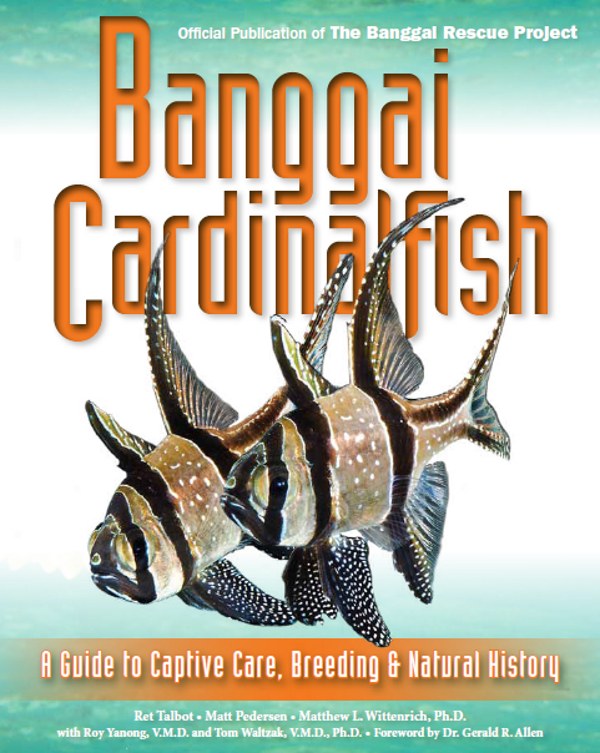
Back in March, Reef to Rainforest Media launched an ambitious project: investigate the plight of the Banggai Cardinalfish and write a book about it in time for DFW-MACNA in late September.
Recent Content
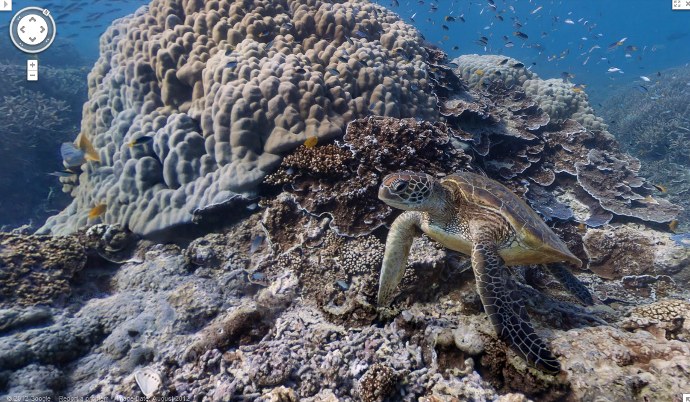
Google launches underwater Street View for select areas
Back in February I blogged about Google teaming up with the University of Queensland and the Catlin Group to produce an underwater street map of the Great Barrier Reef.
Predatory lionfish become the prey
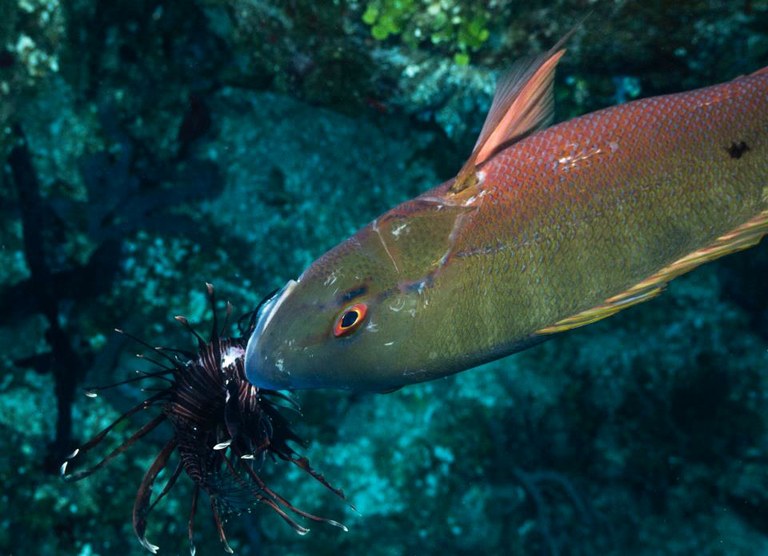
Mutton snappers can now be added to the growing list of predators (including sharks) that actively prey on the invasive lionfish in Caribbean waters.
Watch in time-lapse as a seastar digests a mussel [video]
Some seastars are voracious predators that will prey on many different animals. Corallivorous crown-of-thorns starfish will wipe out entire areas of scleractinian corals. Others will eat mussels and other shellfish as seen in the below video.
Reef Threads publishes their 100th podcast
In their 100th Reef Threads episode, Gary and Christine reminisce about their past podcasts, discuss their upcoming MACNA coverage, MACNA 2013 rumors, and how one group of people wants to put the clownfish “Nemo” on the endangered species list (which covered here).
New family of soft coral discovered
-

- Isla del Coco, Costa Rica
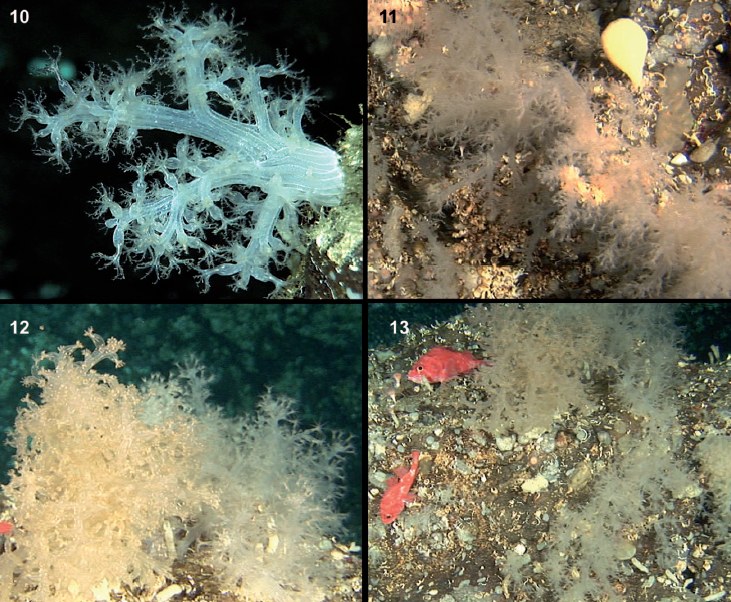
It is not often that a new family of coral is found and described by scientists. In 2010 Ofwegen & McFadden described the family Acanthoaxiidae from the shallow waters of tropical Cameroon.
Coral reef dredging begins at Majuro airport
Dean Jacobson is following the coral reef destruction as Pacific International, Inc. dredges the areas for the airport expansion project and he had this to say about the happenings this morning on one of the listservs:
“Dredging is on-going at the reservoir reef on Majuro, and an enormous sediment plume is stretching into the lagoon, unconstrained by the missing sediment curtain (the only curtain is near-shore, just a meter deep, at one end of the mining zone).”
DNA clarifies classification of coral symbionts

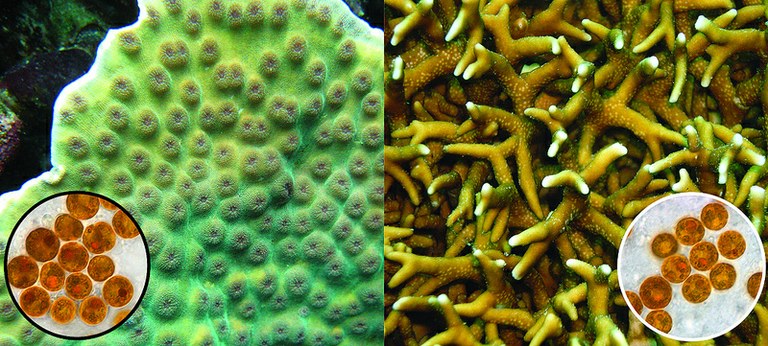
Distinct symbiont species which are found in different corals look nearly identical. Photo by PennState / Flickr.
For nearly 260 years — since Carl Linnaeus developed his system of naming plants and animals — researchers have classified species based on visual attributes, such as color, shape and size.
Save Aquarius Reef Base

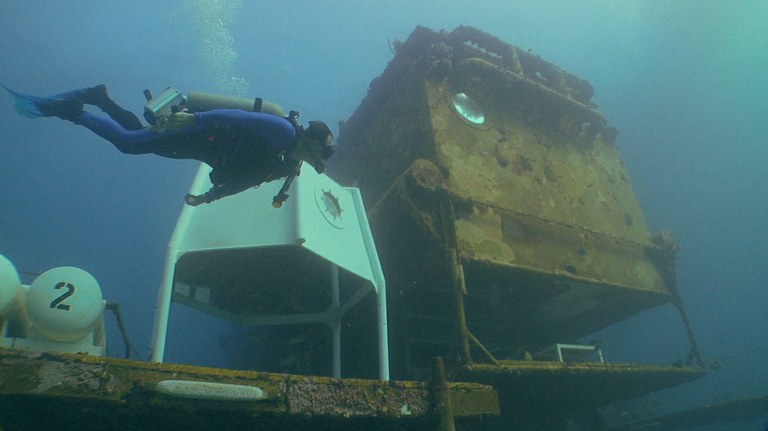
Aquarius Reef Base, the world’s only undersea research station, is located within Florida Keys National Marine Sanctuary. Aquarius is home to scientists for missions up to 10 days long and is made to withstand the pressure of ocean depths to 120 feet deep
In operation since 1993, Aquarius Reef Base ceased operations in July 2012 with it’s 117th federally funded undersea mission.
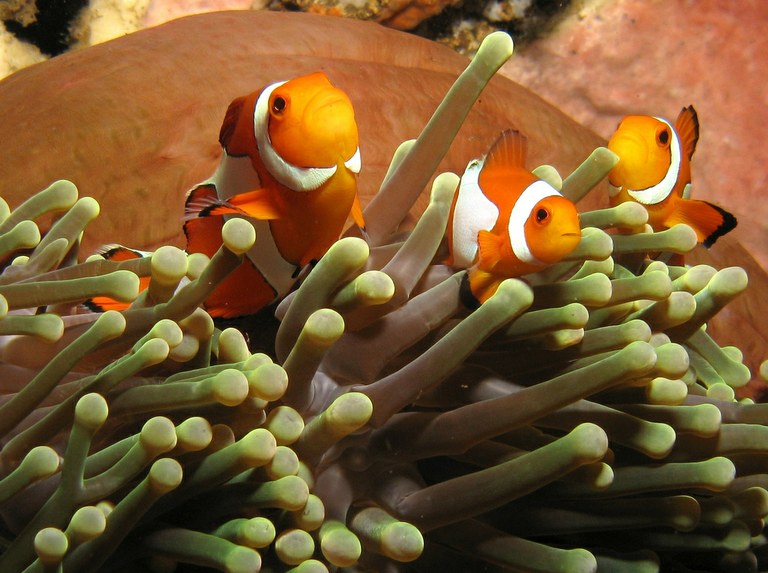
Protection sought for clownfish that inspired Finding Nemo
Hot on the heels of Petco encouraging their customers to try freshwater instead of saltwater tanks after seeing the new Finding Nemo movie, the Center for Biological Diversity has formally petitioned that clownfish and a number of other damselfish have formal Endangered Species Act protection due to environmental stresses.