 Fumigation is a means to control pests by enclosing a structure within a ‘tent’, injecting a gaseous pesticide and allowing the poison time to infiltrate nooks and crannies, thus killing targeted vermin.…

Fumigation is a means to control pests by enclosing a structure within a ‘tent’, injecting a gaseous pesticide and allowing the poison time to infiltrate nooks and crannies, thus killing targeted vermin.…
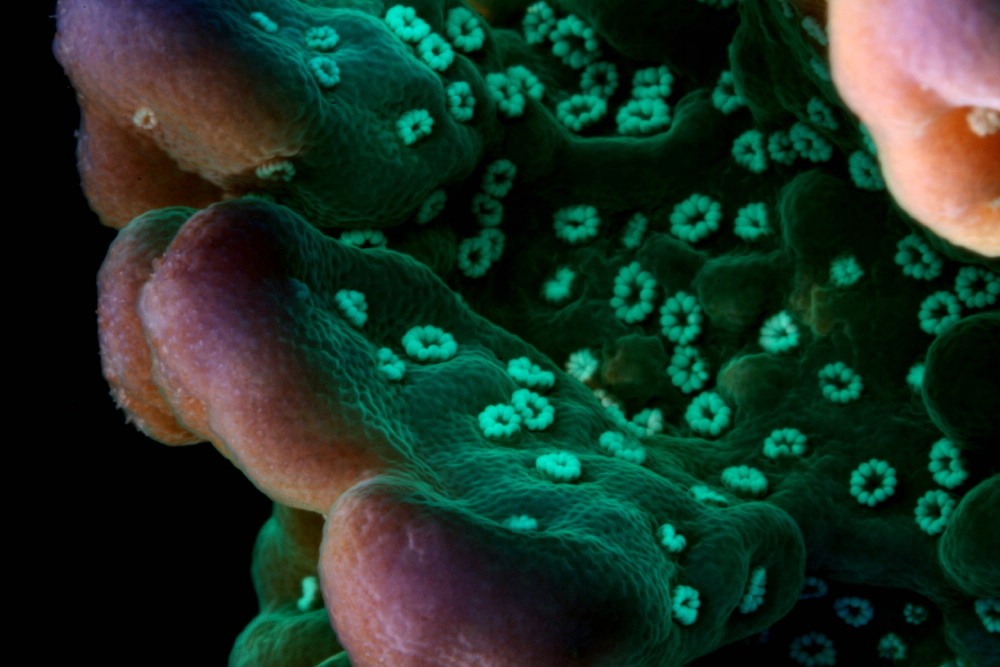
This month, our discussion of Super Corals continues with a focus on an attractive stony coral Montipora undata. To my knowledge, this coral has no common name.
With proper conditions, this Montipora species can grow quickly, and its green fluorescence along with reddish-purple tips and white polyps makes it appealing.…

Serious reefkeepers will instantly recognize the name of John Veron. He is generally regarded as the world’s leading authority on scleractinian corals, and his work has been presented not only in a number of monographs and research articles but in his 1986 Corals of the Indo-Pacific and Australia.…
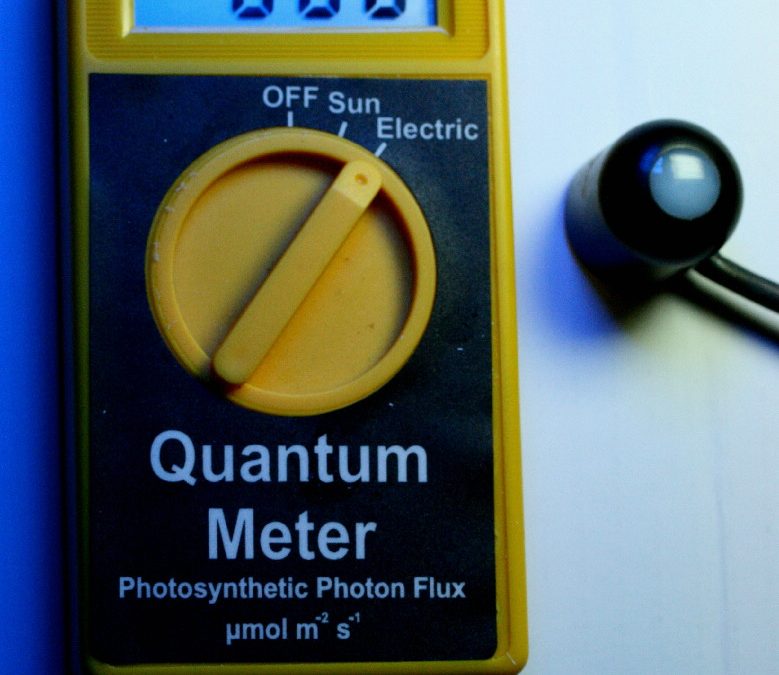
Proper lighting is one of several critical parameters in successful reef keeping. If there is not enough light, photosynthetic creatures will slowly perish. On the other hand, many corals (or, more correctly, their symbiotic algae called zooxanthellae) can not tolerate conditions of ‘high’ light and might not thrive.…
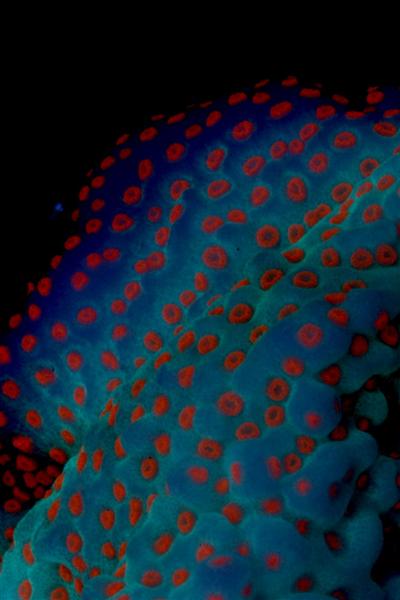
Only a few corals can match this coral’s startling contrast of colors, making the Superman Montipora a highly desirable animal for display reef aquaria. As can be expected, the demand for this coral ensures a premium price.…
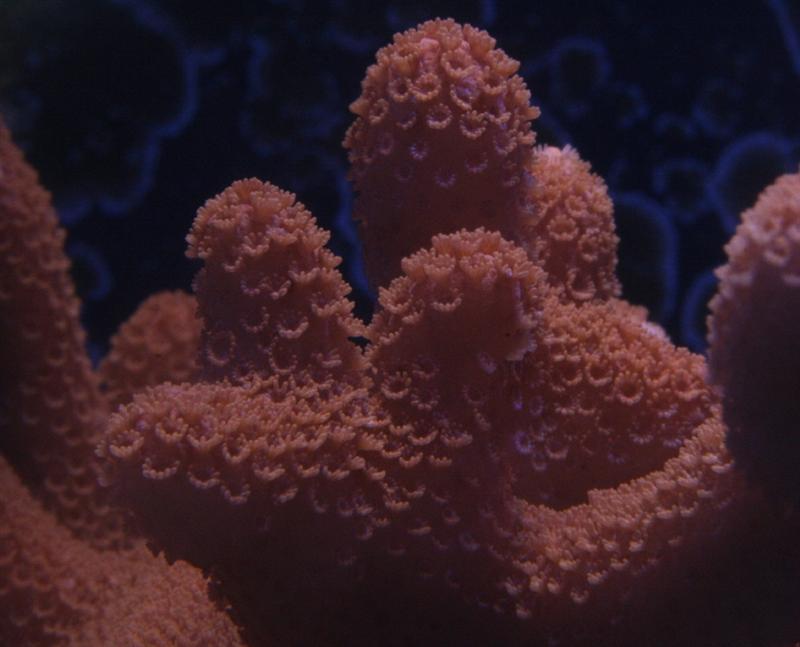
This Montipora species is a good choice for those hobbyists wanting to make the jump to small-polyp stony (SPS) corals. Their appearance is soft and velvet-like when their polyps are extended. These animals are generally hardy in captivity and can grow rather quickly, making them attractive to beginning and intermediate reefkeepers.…
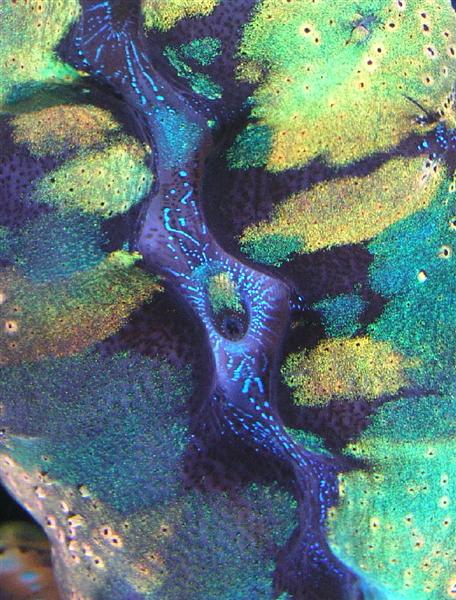
With full realization that I’ll get email stating that ‘clams are not corals’, I can not be content to leave it at that. So, I will make an even bolder statement – Tridacna clams’ tissues (along with certain other genera) are colorless and contain no spectacular pigments.…

Some simple yet eloquent products have recently become available to reef hobbyists and it makes me wonder why someone didn’t think of these solutions a long time ago. This month’s Product Review will examine the application of simple magnets and how these products can benefit both hobbyists and captive livestock.…

It has been almost a decade since I wrote a two-part article about water motion for “Aquarium Frontiers.” Newly offered products, along with Jake Adam’s series on water motion in Advanced Aquarist Online, prompted me to update these articles.…

In Part 7, we examined some environmental factors that can affect coral non-fluorescent chromoproteins. Also presented was the concept of light reflectance and how corals generally fall into either ‘brown’ or ‘non-fluorescent blue’ coral modes (although it seems apparent that light intensity – particularly ‘blue’ light – can promote the transition from one state to the other).…