There are numerous sorts of marine creatures in the Phylum Echinodermata, ranging from sea biscuits, to starfishes, to feather stars, to sea cucumbers, all of which belong to one of five extant classes within the phylum.…
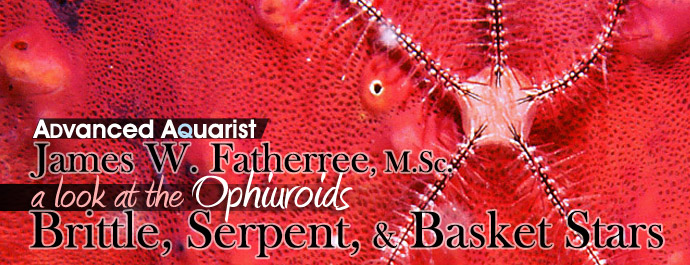

There are numerous sorts of marine creatures in the Phylum Echinodermata, ranging from sea biscuits, to starfishes, to feather stars, to sea cucumbers, all of which belong to one of five extant classes within the phylum.…
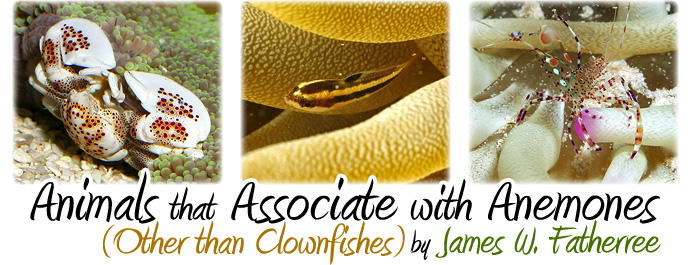
My last article covered the relationships between clownfishes (anemonefishes) and their host anemones, as well as the substitute hosts that these fishes will often take up residence in when no suitable anemone is available.…
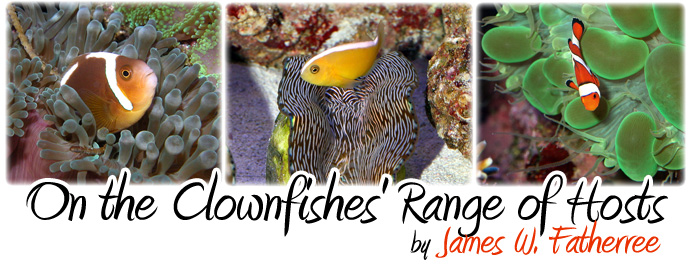
There are numerous species of anemonefishes, more commonly known to hobbyists as clownfishes, that normally associate with a few species sea anemones. However, these same clownfishes will often times associate with non-anemone invertebrates in the absence of a suitable anemone host.…
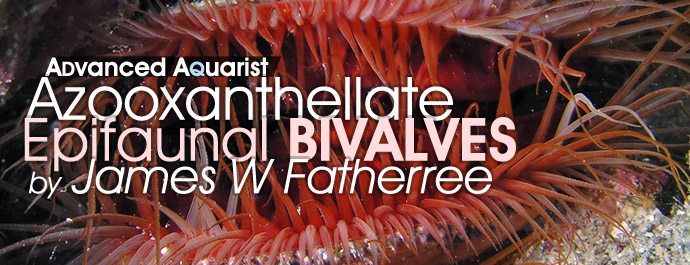
Most reef aquarium keepers know something about the commonly-offered tridacnids, otherwise known as the giant clams. But, there are a few non-tridacnid clams that are also available to us, some that hitchhike into our aquariums on live rock and such, and some that just show up seemingly from nowhere from time to time, too.…
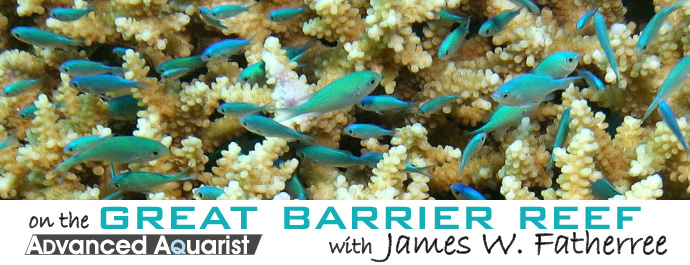
Long, long ago the landmass that we now call Australia was located near Earth’s southern pole. Through tectonic activity the continent began moving to the north at a pace of just inches per year though, and after many millions of years drifted to its current location.…
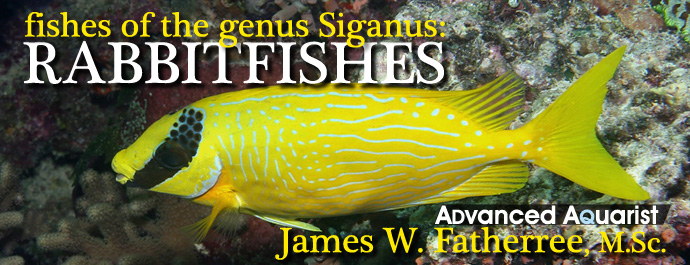
The genus Siganus is comprised of 26 or 27 species of fish and a couple of hybrids, depending on who you ask, all of which are commonly known as rabbitfishes. Also called spinefoots by some, these can make great additions to appropriately-sized aquariums and are well worth a look, as they’re generally attractive, relatively peaceful, and easy to care for.…
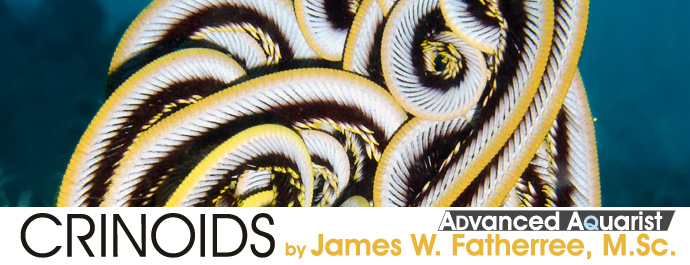
The Phylum Echinodermata is home to the asteroids (sea stars), ophiuroids (brittle and serpent stars), echinoids (sea urchins and sand dollars), holothuroids (sea cucumbers and apples), and the feather stars and sea lilies (crinoids), all of which share a few distinctive common features despite their highly variable appearances and lifestyles.…
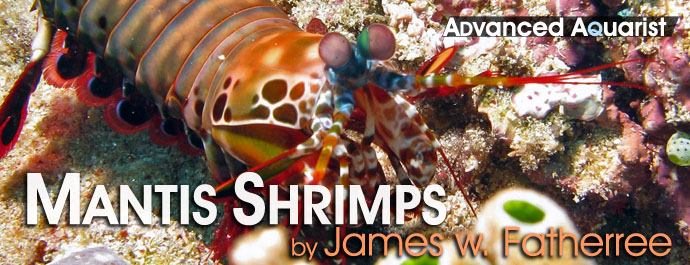
A few weeks ago I was one of several guest speakers at the Capitol City Coral Corral in Austin, and there was a question and answer session near the end of the event. At some point we were all asked what our favorite invertebrate is, and my immediate answer was a mantis shrimp.…
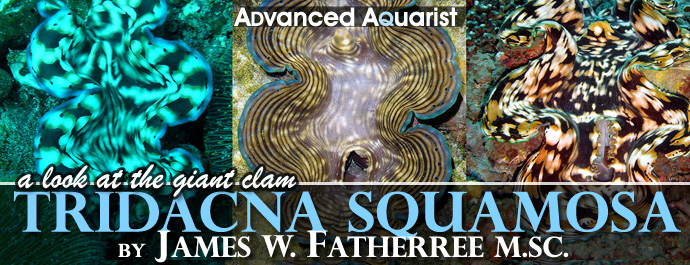
To start, T. squamosa ranges from the east coast of Africa across the Indo-Pacific to the Marshall Islands and Polynesia, and has been found as far north as the southern islands of Japan to as far south as the west coast of Australia and the Great Barrier Reef, and in the Red Sea, too.…
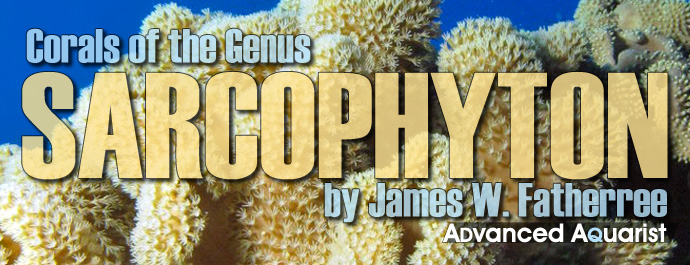
The genus Sarcophyton is comprised of several soft corals belonging to the Subclass Octocorallia and Order Alcyonacea. Depending on where you look, there are between 41 and 46 species altogether (ex.…