James W. Fatherree
  • James has been an aquarium hobbyist since childhood, and has been keeping marine aquariums for over thirty years. He is also an avid diver, and has spent many days on the reefs of Australia, the Bahamas, Egypt, Fiji, Florida, Hawaii, Indonesia, Japan, and Tonga. Many years ago, he also managed a large retail aquarium store, owned and operated an aquarium design, installation, and maintenance business, and spent a summer working as a diver/collector for an aquarium livestock wholesaler in Florida.
    James has also published over 450 articles with photographs in various aquarium and dive magazines in the U.S. and Europe, and has written and illustrated a half-dozen books on the topics of reef organisms and marine aquariums. He has given over 50 presentations at aquarium society meetings and conferences in the U.S., Canada, and Europe, as well.

    Aside from his lifelong aquatic interests and experiences, James served as an Army paratrooper, and earned degrees in Geology from Mississippi State University and the University of South Florida, with a specialization in invertebrate paleontology. He is currently a Professor of Earth and Environmental Sciences at Hillsborough Community College in Tampa, Florida.


    View all posts

Recent Content

Aquarium Corals: Corals of the Genus Euphyllia

Aquarium Corals: Corals of the Genus Euphyllia

euphyllia2.jpg

There are several species of stony coral belonging to the genus Euphyllia available to hobbyists, which are a popular bunch for good reasons. These corals can be very attractive, can grow to large sizes, and can thrive in aquariums with acceptable water quality, lighting, and flow.…

Aquarium Chemistry: An Attempt to Test Test Kits

Aquarium Chemistry: An Attempt to Test Test Kits

testkits2.jpg

I was scheduled to give a presentation to a reef aquarium club some time ago, and I figured I’d try to do something different after the talk. I asked to have everyone coming to the talk bring all of their water testing kits, expired or not, just to see what would happen if a bunch of hobbyists tested the same water samples with different kits.…

Aquarium Corals: A Look at the Sun Corals

Aquarium Corals: A Look at the Sun Corals

tubastrea2.jpg

Almost all sorts of reef-building corals and most all of their reef-dwelling kin contain symbiotic zooxanthellae, and require bright light to live. Thus, these are called zooxanthellate corals, and they’re all restricted to life in relatively clear, shallow, warm, and well-lit waters.…

Aquarium Chemistry: Calcite, Aragonite, Limestone, and More

Aquarium Chemistry: Calcite, Aragonite, Limestone, and More

carbs2.jpg

With the exception of something like an aquarium set up for jellyfishes, essentially all marine aquariums contain solid materials made of the minerals calcite and aragonite. Oddly enough, these two minerals are made of the same thing though, as both are composed of calcium carbonate in different forms.…

Aquarium Fish: Damselfishes and Chromises: the Good and the Bad

Aquarium Fish: Damselfishes and Chromises: the Good and the Bad

Fchromis.jpeg

The Family Pomacentridae contains over 300 species altogether, some of which are without a doubt the most common fishes in the marine aquarium hobby. Almost all of them are marine, primarily being found in the Indian and Pacific Oceans, but there are a few that may be found in brackish waters, and several species are found in the Caribbean Sea and Atlantic Ocean, as well.…

Lighting for Tridacnid Clams

Lighting for Tridacnid Clams

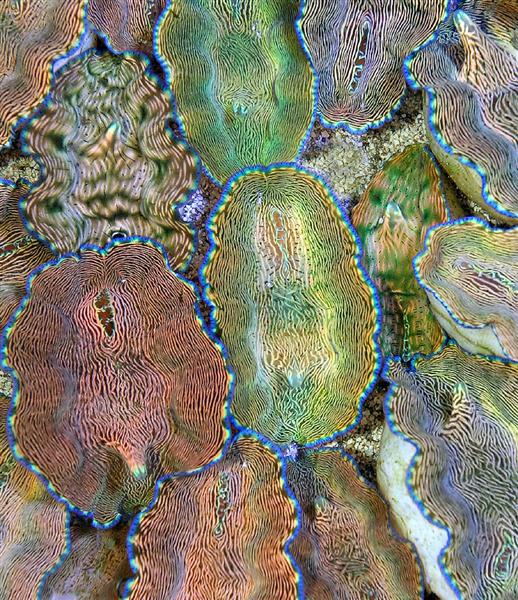
As best as I can tell, for as long as tridacnids have been put in aquariums there has been much debate about how much light is needed to keep them healthy. I’ve heard all sorts of ideas here and there, and have even seen specific PAR values recommended for each species.…