James W. Fatherree
  • James has been an aquarium hobbyist since childhood, and has been keeping marine aquariums for over thirty years. He is also an avid diver, and has spent many days on the reefs of Australia, the Bahamas, Egypt, Fiji, Florida, Hawaii, Indonesia, Japan, and Tonga. Many years ago, he also managed a large retail aquarium store, owned and operated an aquarium design, installation, and maintenance business, and spent a summer working as a diver/collector for an aquarium livestock wholesaler in Florida.
    James has also published over 450 articles with photographs in various aquarium and dive magazines in the U.S. and Europe, and has written and illustrated a half-dozen books on the topics of reef organisms and marine aquariums. He has given over 50 presentations at aquarium society meetings and conferences in the U.S., Canada, and Europe, as well.

    Aside from his lifelong aquatic interests and experiences, James served as an Army paratrooper, and earned degrees in Geology from Mississippi State University and the University of South Florida, with a specialization in invertebrate paleontology. He is currently a Professor of Earth and Environmental Sciences at Hillsborough Community College in Tampa, Florida.


    View all posts

Recent Content

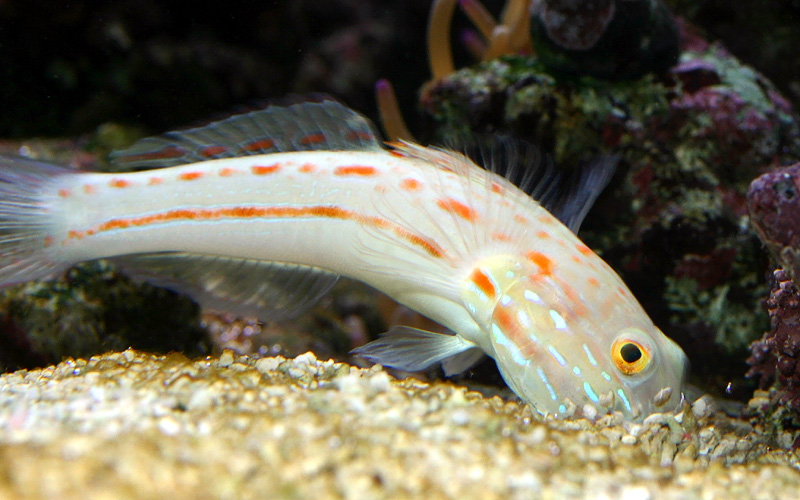
Aquarium Fish: A Look at the Goby Fish

Aquarium Fish: A Look at the Goby Fish

Despite the typically small size of its members, the family Gobiidae is the largest family of marine fishes, being the home of over 2,000 species. Of course, I won’t be going over all of these, but I do want to give you an introduction to the family and cover some of the species most commonly seen in the hobby.…

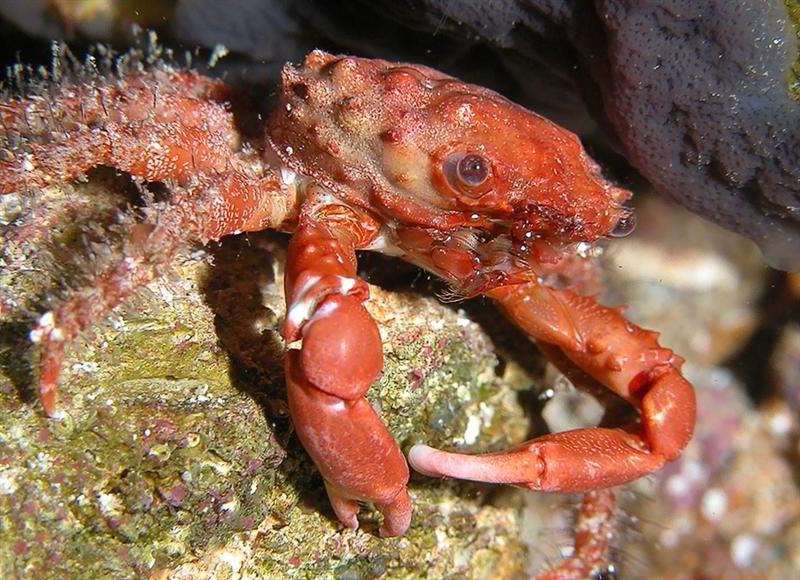
Aquarium Invertebrates: Crabs in the Marine Aquarium

Aquarium Invertebrates: Crabs in the Marine Aquarium

There are quite a few types of crabs offered to hobbyists, and there are occasional hitchhiking crabs that make their way into our tanks without our approval, too. Some of these are suitable for reef aquariums and aren’t likely to bother other tank inhabitants, but many of them are not, and some are rather iffy.…

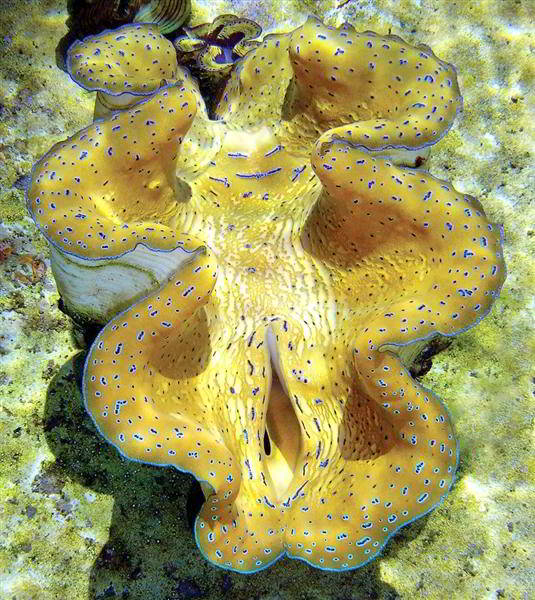
A Look at the Giant Clam Tridacna gigas

A Look at the Giant Clam Tridacna gigas

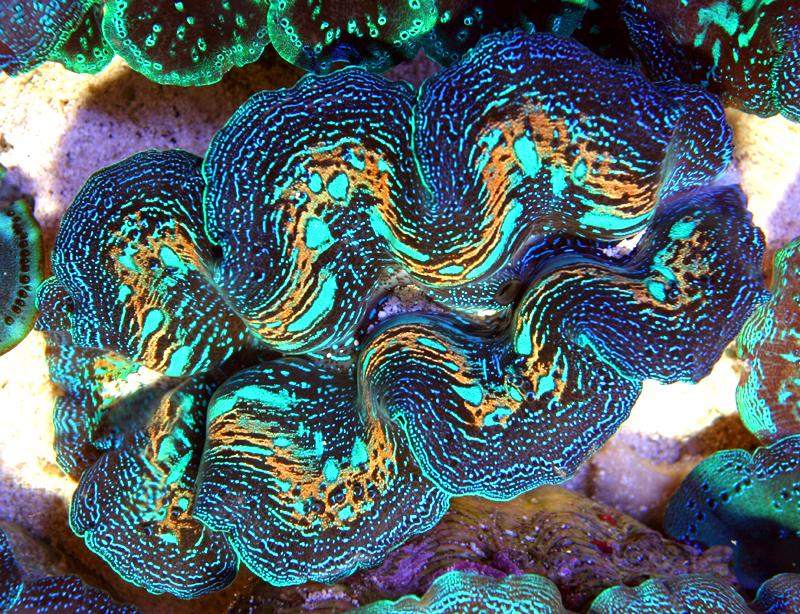
DSC03451.jpgAll of the species of clams in the family Tridacnidae are commonly called giant clams, but they actually vary a great deal when it comes to how large they can grow. For example, a large specimen of Tridacna crocea may be only four inches in length when measuring the shell from end to end, while its close cousin, T.

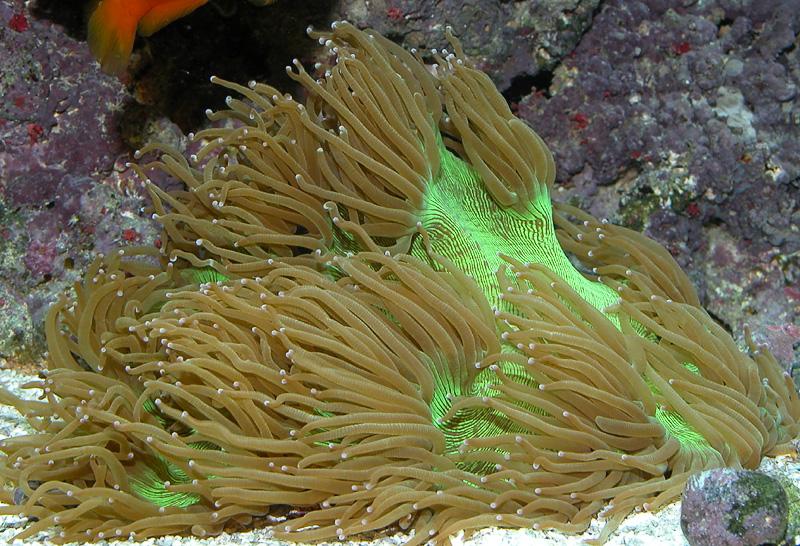
Aquarium Invertebrates: The Bleaching of Corals and Giant Clams

Aquarium Invertebrates: The Bleaching of Corals and Giant Clams


Most corals and all giant clams (tridacnids) contain symbiotic algae, which they rely upon for much of their nutritional needs. When these algae, commonly known as zooxanthellae, receive adequate illumination they can produce far more food than is required for their own survival, growth, and reproduction, and this excess can be given to the host animal they reside in.…

Aquarium Fish: Surgeonfishes, A.K.A. the Tangs

Aquarium Fish: Surgeonfishes, A.K.A. the Tangs

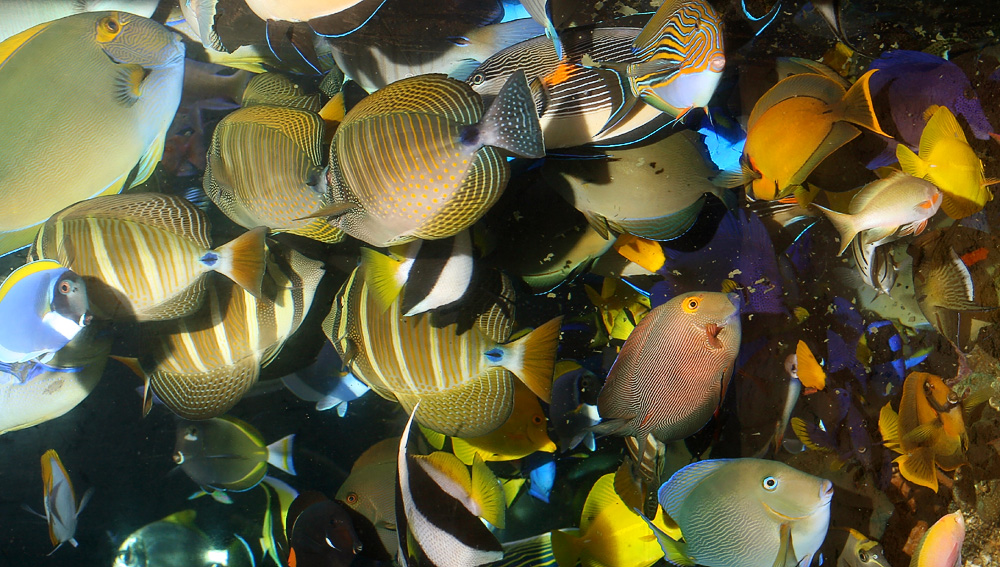
Some of the most popular fishes in the marine aquarium hobby are the surgeonfishes, all of which are in the Family Acanthuridae. Commonly known as tangs, many are very attractive, have unique personalities, and will also help keep your tank clean.…