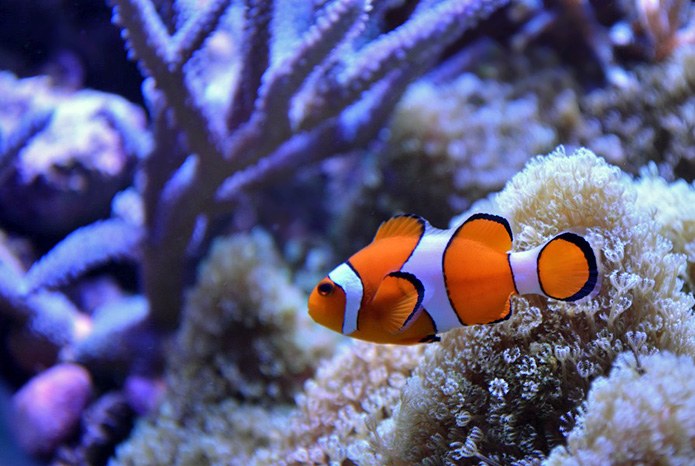
How does equipment noise effect our reef fish?
The effects of noise pollution on the well-being of fish is still yet poorly understood, but research after research is arriving at the same conclusion: noise is bad for fish health.


How does equipment noise effect our reef fish?
The effects of noise pollution on the well-being of fish is still yet poorly understood, but research after research is arriving at the same conclusion: noise is bad for fish health.
On the early morning of July 22, 2017, a masked woman entered V W Tropical Fish and filled approximately fifty large bags of water with hundreds of farmed ornamental tropical fish.
The available video evidence suggests this was either an inside job or someone who was very familiar with V W’s facilities.
If you breed cichlids (and have amazing eyesight), take a close look at the mouths of fries. You’ll see them opening and closing at extreme speeds – up to 200+ times per minute. The babies look like they’re gasping for air (and they very well could be), but a new study has discovered that this rapid jaw movement, otherwise known as gaping, has a much more life-altering grand purpose: gaping actually shapes the formation of bones and ultimately how the fish’s mouth and head develop into adulthood.
This black-headed cardinal is said to return to the pond up to six times a day just to feed the koi!
As if baby ducks aren’t cute enough …
Yup; a black swan feeding fish. Check that off your bucket list.
(Note: The video lacks audio)
I’m a sucker for anemones in reef tanks, so seeing multiple healthy carpet anemones (Stichodactyla gigantea) swaying in Nicolas’ reef really put a smile on my face.
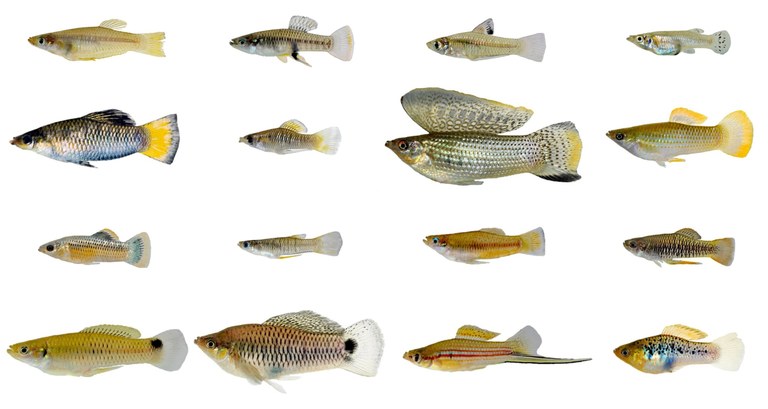
Samples of fish species from the Poeciliidae family show the diversity in color, fin size and body shape. Kansas State University researchers studied 112 species of these live-bearing fishes and found that males and females evolve differently.
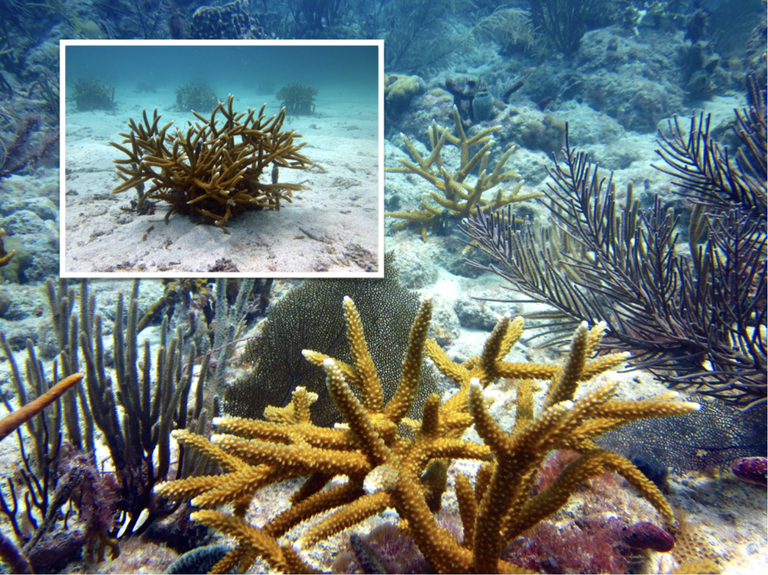
Caption: Staghorn corals (Acropora cervicornis) are propagated within underwater coral nurseries to create a sustainable source of corals for use in coral restoration activities (inset). Outplanted corals have similar survival and productivity values as wild colonies, thereby indicating that coral gardening methodologies are successful in creating healthy corals for restoration.
This is lovely footage shot by Nick Hope of a pair of saddleback clownfish (Amphiprion polymnus) tending to their eggs, fanning them to keep them clean and well oxygenated. The nest is laid below a giant Stichodactyla mertensii carpet anemone in the Philippines.
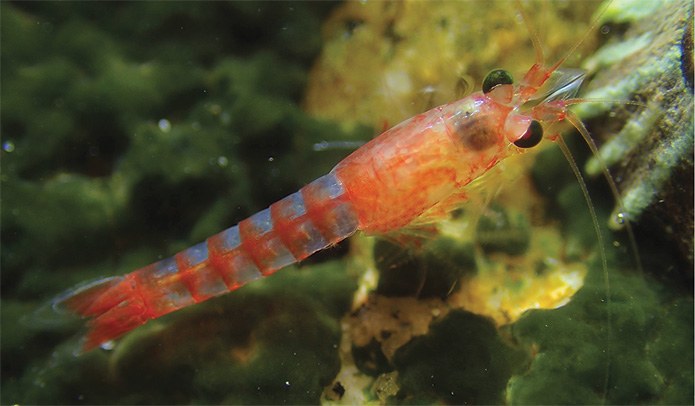
Heteromysis octopodis sp. n.
Of the three new mysid species, this one has the most unique habitat (and partnership). Scientists discovered. H. octopodis sharing the tidal pool dens of common octopus, Octopus vulgaris.
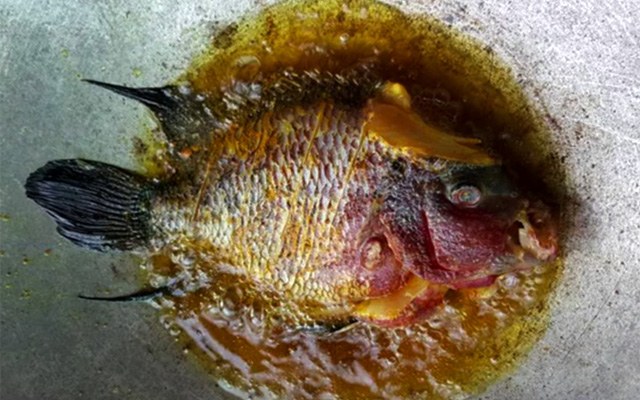
Stir-fried flowerhorn
Humans consuming cichlids is nothing new. Fact is, some of the most consumed fish in the world, such as Tilapia, are cichlids. It’s just that you don’t often (if ever) see people eating expensive ornamental cichlids.