by Bioquest Studios
The ocean ecosystems face tremendous pressure from human impact on the planet. The previous four years have been particularly devastating for coral reefs around the Indo-Pacific region.


by Bioquest Studios
The ocean ecosystems face tremendous pressure from human impact on the planet. The previous four years have been particularly devastating for coral reefs around the Indo-Pacific region.
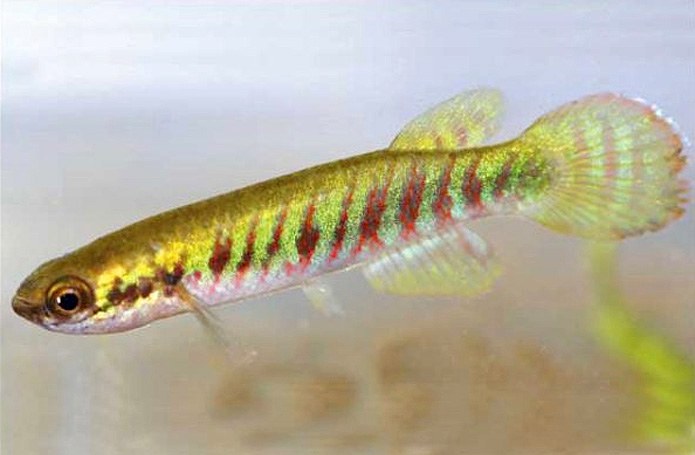
Melanorivulus britzkei sp nov.
Melanorivulus britzkei is distinguished from other congenors with its metallic yellow “lightning” patch found on its head as well as its white pelvic fin.
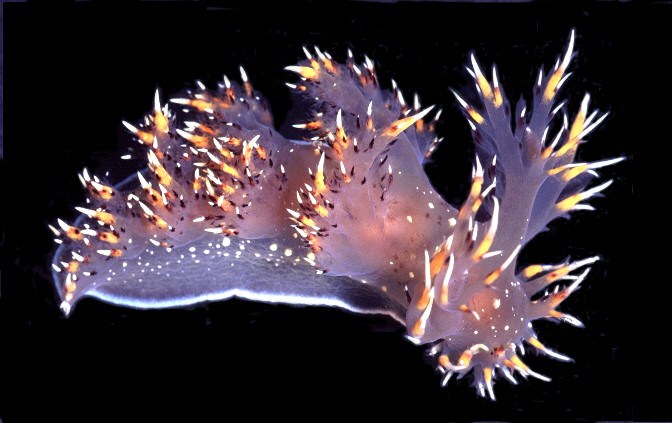
Giant Nudibranch (Dendronotus iris) | Photo courtesy of Bruce Wight
From Georgia State University:
Scientists at Georgia State University have rewired the neural circuit of one species and given it the connections of another species to test a hypothesis about the evolution of neural circuits and behavior.
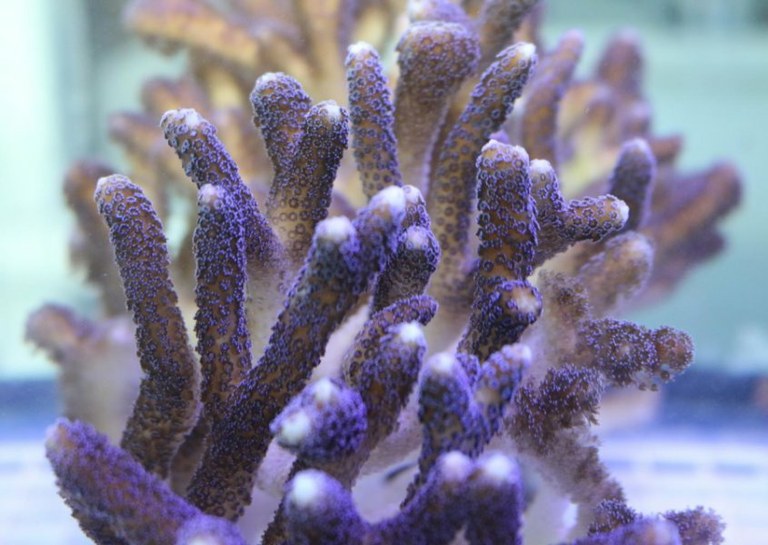
Stylophora pistillata is a colorful and well-studied stony coral common in the Indo-Pacific. Credit: Kevin Wyman/Rutgers University
Scientists are gaining greater understanding of just how resilient corals are to acidified seawater.
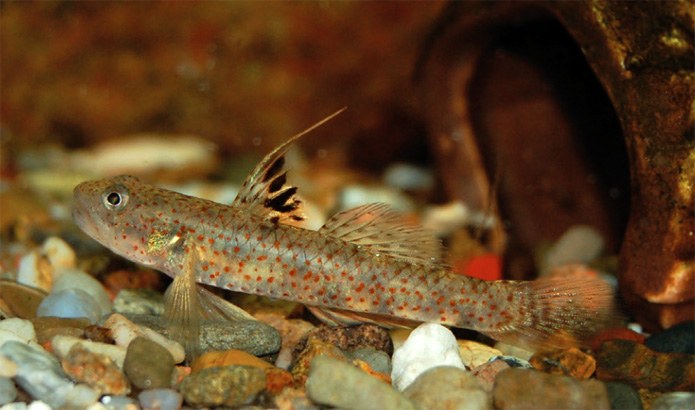
Captive specimen of Pseudogobiopsis lumbantobing, supposedly imported from Myanmar (unconfirmed distribution). Photograph by Christophe Maillet
Around 2001, an unique tropical goby entered the European aquarium market.
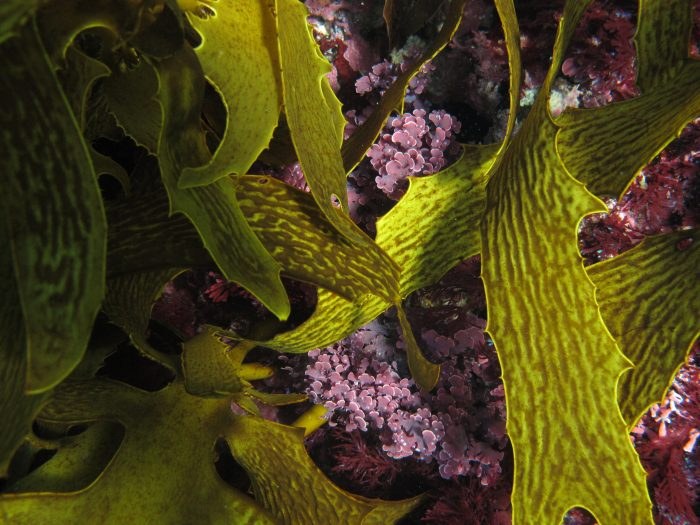
Coralline algae growing beneath kelp
Researchers have also shown that some corals are able to maintain constant pH within their calcifying fluids. The ability to adjust internal pH may help certain corals, coralline algae, and other reef life cope with ocean acidification as well as explain how SPS corals can grow so well even in pH-suppressed captive environments.
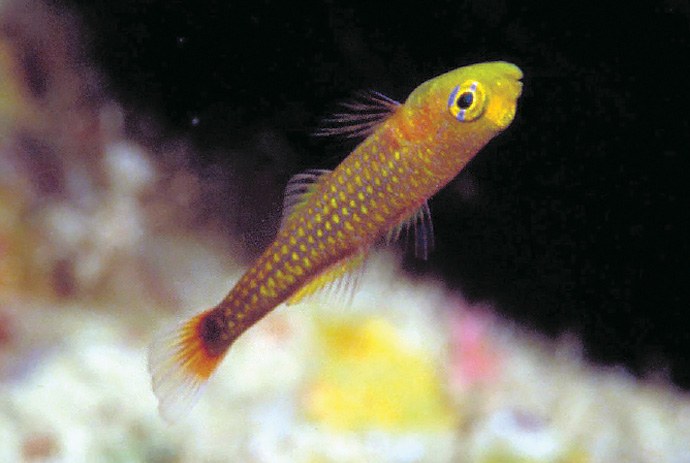
Trimma finistrinum swimming upside down. Photo by B: R. Myers.
Richard Winterbottom describes Trimma finistrinum alongside another new Fiji Trimma goby, Trimma bathum (no good live photo exists of T.

Dr. Herbert Richard Axelrod’s most recognizable contribution to the aquarium hobby was the magazine he founded in 1952, Tropical Fish Hobbyist Magazine (TFH), which is still in circulation today.
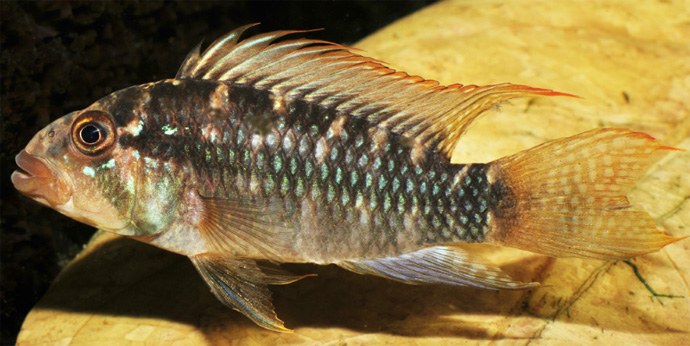
(above) Subdominant males subordinated by aggressive dominant females.
Apistogramma megastoma sp. nov is described by Uwe Römer et al. in Vertebrate Zoology (open access paper). A. megastoma is a mouth-brooder (only females are known to mouth-brood) and has an unusually large mouth compared to other Apistogramma cichilids, hence its name “megastoma,” which means “big mouth.”
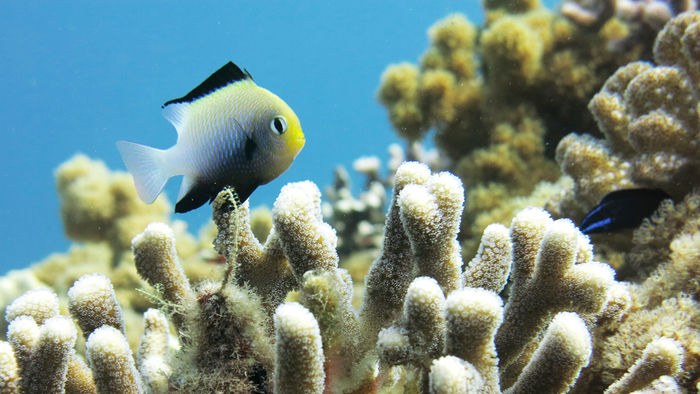
Dascyllus marginatus above Stylophora pistillata. Photo by lead author of the paper, Nur Garcia-Herrera
Coral reefs are very complex communities with lots of organisms interacting with one another for mutual benefit (and often survival) – a relationship called symbiosis.