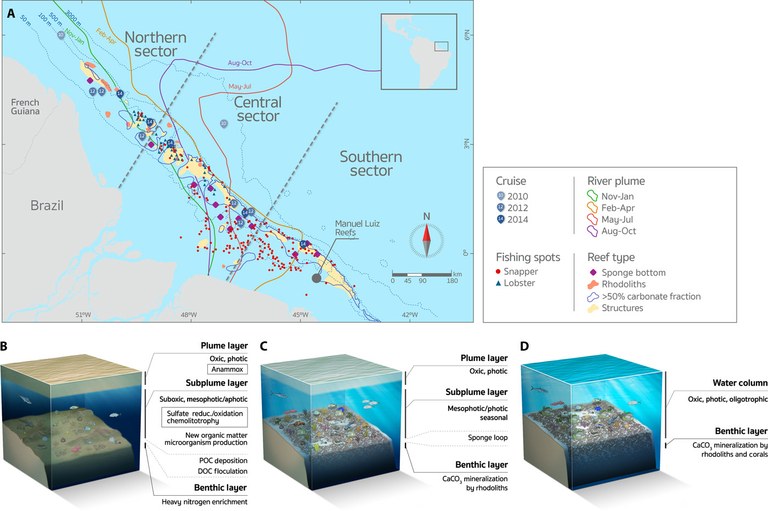
30 to 120 meters below the layer of muddy freshwater lives a wide range of reef fish (73 species recorded thus far) and invertebrates including sponges, crustacean, and corals such as Scolymia sp.,

30 to 120 meters below the layer of muddy freshwater lives a wide range of reef fish (73 species recorded thus far) and invertebrates including sponges, crustacean, and corals such as Scolymia sp.,
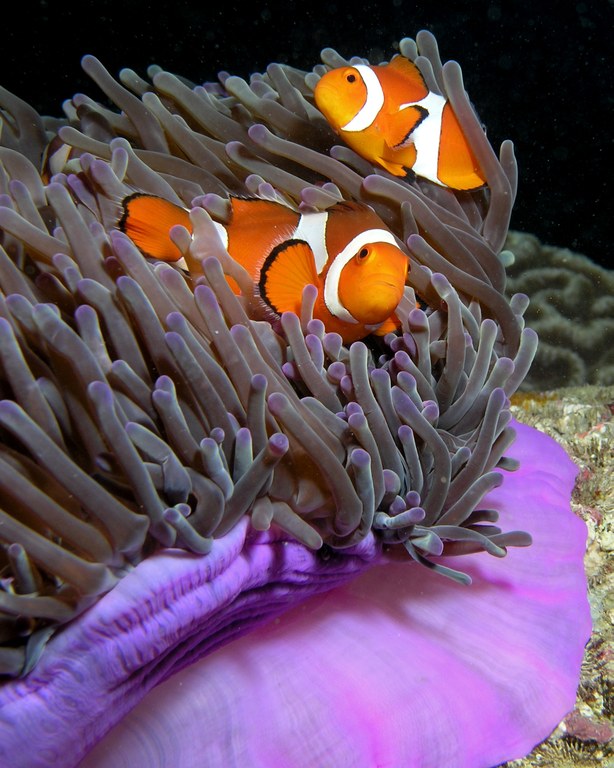
Purple anemone (Heteractis magnifica) and resident anemonefish (Amphiprion ocellaris) (clownfish) in East Timor. Photo by Nick Hobgood
A recent ten-year survey of 981 belt-transects at 20 reef sites throughout the Indo-Pacific found that 25% of all clownfishes (377 of 1508) encountered were cohabiting the same anemone with at least one other species of clownfish.
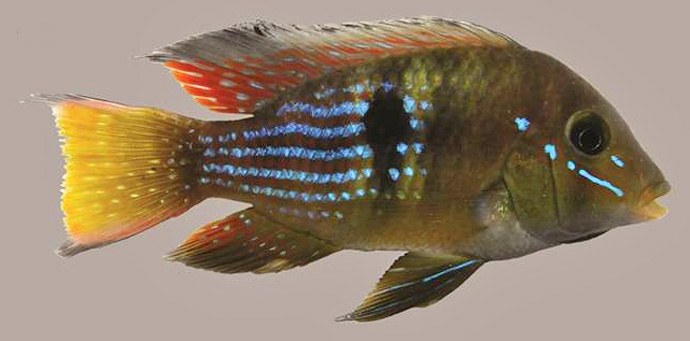
Live coloration of a male Gymnogeophagus terrapurpura
As described in the open access Neotropical Ichthyology:
Gymnogeophagus terrapurpura has been found in a large variety of habitats including shallow lakes, floodplain lakes, rivers, and streams, mainly associated with cobble, sandy or muddy substrates.
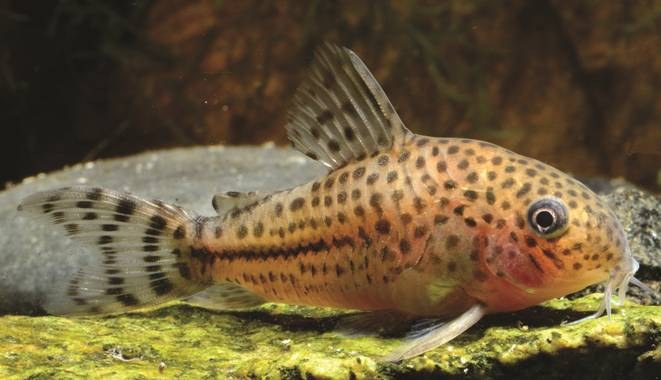
Corydoras knaacki
 Corydoras knaacki is described from tannin-rich, swampy drain basins of rio Madre de Dios, Peru. Like other corys, C.knaacki is communal and will form schools. Juveniles aggregate in much larger schools than adults, the latter being only found in smaller groups in deeper waters usually under shade.

We customarily don’t blog about sales, but Premium Aquatics is one of our first and most loyal supporters. And the twenty-year milestone is a big deal!
They celebrate their two decades of success starting this week by offering discounts for some of their very first products that have been with Premium Aquatics since day one.
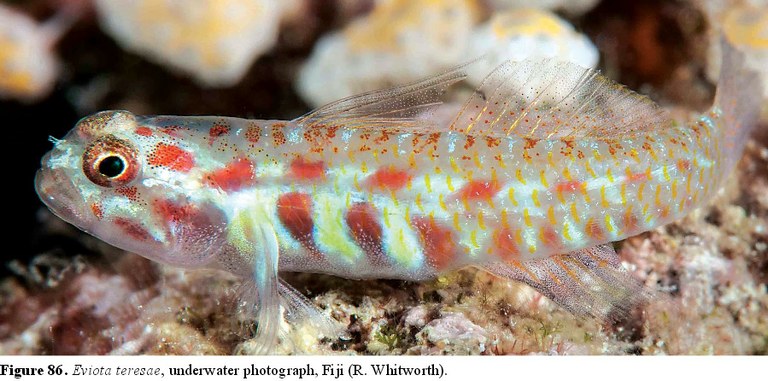
All five of the new dwarfgoby species are positively known from Fiji. The novel species described in the latest publication of Journal of the Ocean Science Foundation are:
The paper is open access and includes a review of the entire Eviotaa dwarfgobies, a genus that contains numerous gobies that pack a lot of color into their tiny bodies.
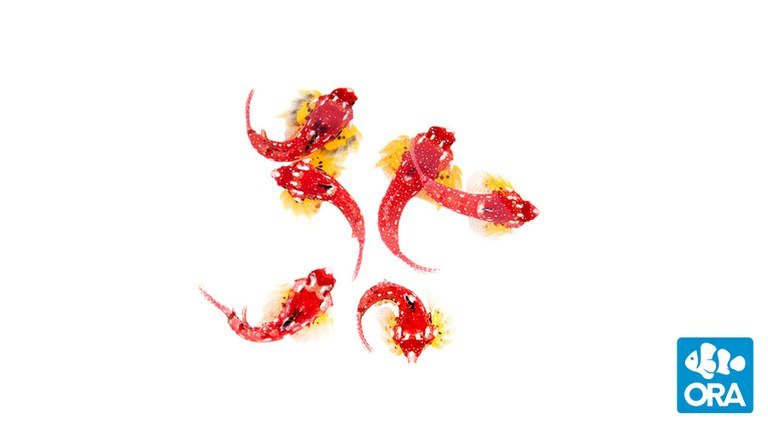
A bevy of ruby red dragonets!
ORA raised about a dozen ruby red dragonets from their first fertilized spawn. This species produces smaller spawns with a lower fertility rate, as well as smaller-sized larvae that are slower to develop compared to red or brown scooter dragonets; metamorphosis doesn’t occur until days 20-25.
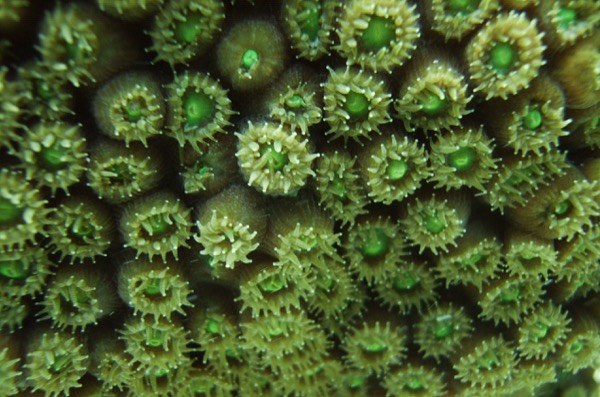
Photo by Andréa Grottoli, Ohio State University
From the University of Delaware:
by Karen B.
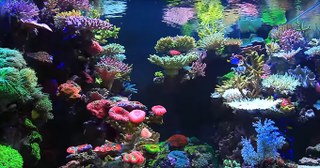
Look out for the blue-lit cave around 0:50. It’s not often we come across a reef aquascape that shows us something new, but this one does. It is extremely well-planned and well-executed reef, capturing a sense of three-dimensionality that few other reef aquariums have been able to achieve.
This video was recorded on March 20, 2016 and published by CORE Sea, a marine conservation and research organization focused on Southeast Asian (predominantly Thailand) reefs. As sweet as the video is, it’s a little depressing to see so much man-made ocean debris; the snorkeler is even cutting the discarded netting with a broken glass bottle.