
Leonard Ho
  • I'm a passionate aquarist of over 30 years, a coral reef lover, and the blog editor for Advanced Aquarist. While aquarium gadgets interest me, it's really livestock (especially fish), artistry of aquariums, and "method behind the madness" processes that captivate my attention.

    View all posts

Recent Content

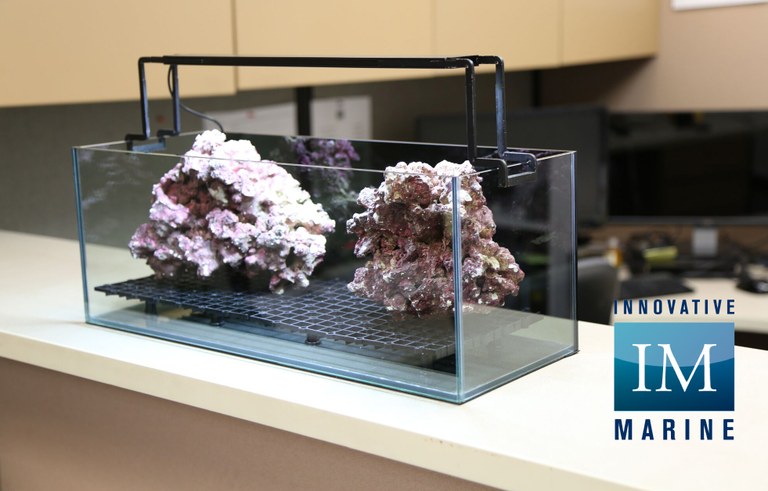
Reimagining eggcrates: Innovative Marine’s SnappGrid


Reimagining eggcrates: Innovative Marine's SnappGrid


Innovative Marine’s SnappGrid

Each SnappGrid pack features:

  • 2x Interlocking black eggcrates
  • 8x 1” Stackable risers
  • Dimension: 10.25” x 7” per eggcrate
  • Grid spacing: 15mm (0.59”)
  • Stackable, modular design that can be installed horizontally or vertically
  • Constructed from flexible styrene
  • 100% Reef Safe

The retail price of a two-pack SnappGrid with eight risers is $9.99. 
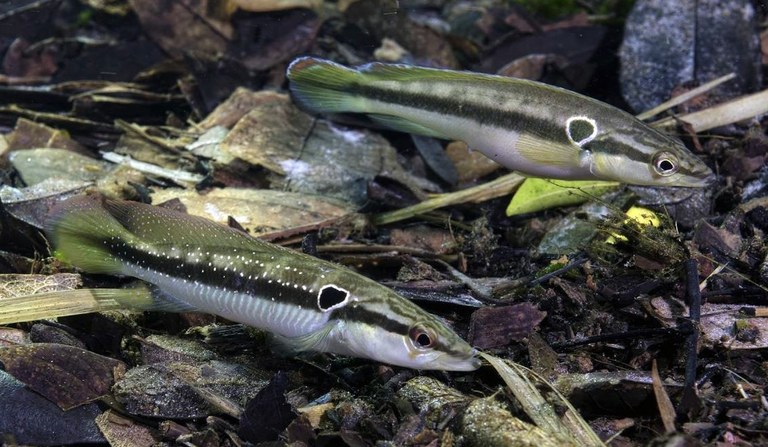
Crenicichla ploegi: A new pike cichlid


Crenicichla ploegi: A new pike cichlid


Crenicichla ploegi, a male (left) and a female (right) photographed alive in the Rio Verde, tributary of the Rio Papagaio, Mato Grosso, Brazil. Photo by Marcelo Krause.

For those interested in keeping these fascinating fish, Aquatic Community has an excellent overview of the captive care for the Saxatilis group.

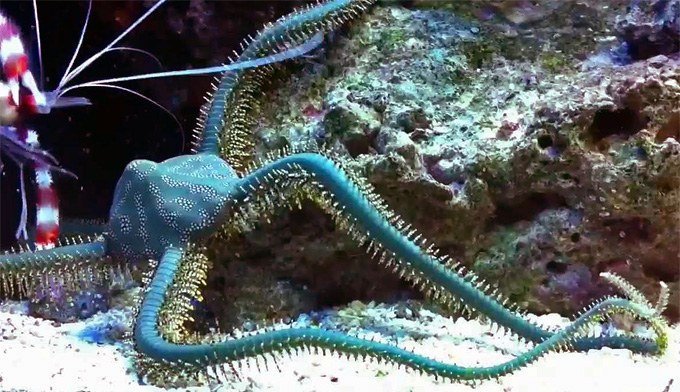
Brittle stars are covered with thousands of light sensors


Brittle stars are covered with thousands of light sensors


This green brittle star knows how to hide by “seeing” with its skin.

To learn more about brittle stars and their captive care, read James Fatheree’s article: “A Look at the Ophiuroids: Brittle, Serpent, and Basket Stars”


Brittle stars may ‘see’ with their skin

by University of Oxford

Scientists have discovered the first evidence that brittle stars living in vibrant coral reefs use thousands of light sensors to navigate their way through their complex environments.

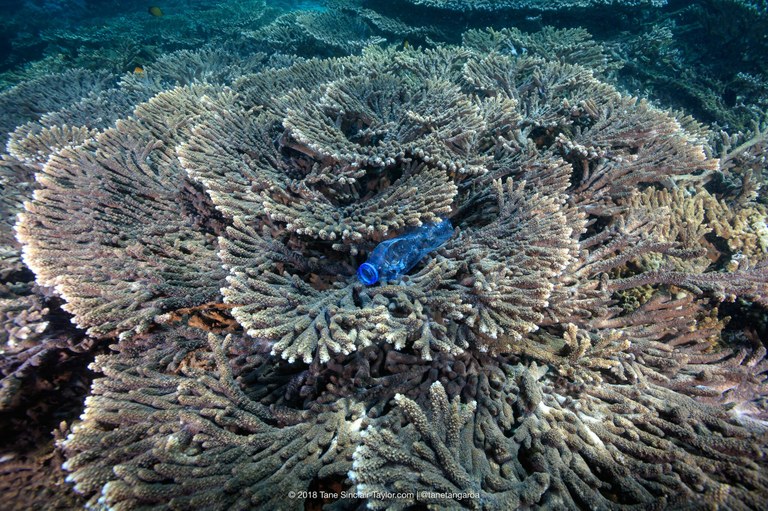
Plastics linked to coral diseases


Plastics linked to coral diseases


Corals in contact with plastic are 22.25 times more likely to get sick!

Researchers discovered that the chance of coral disease increased dramatically from 4% on plastic-free reefs to stunning 89% on reefs where corals are in contact with plastic. 

Coral deathmatches

Match 1: LPS vs SPS.  Lobophyllia (left) vs Acropora


Match 2: SPS vs SPS.  Acropora (left) vs Stylophora


Match 3: The heavy weights!  Platygyra (left) vs Hydnophora