Aluminum is an ion that doesn’t get much discussion in reefkeeping circles. It has little in the way of positive biological functions. I am not aware of any marine organisms with a demonstrated requirement for aluminum.…
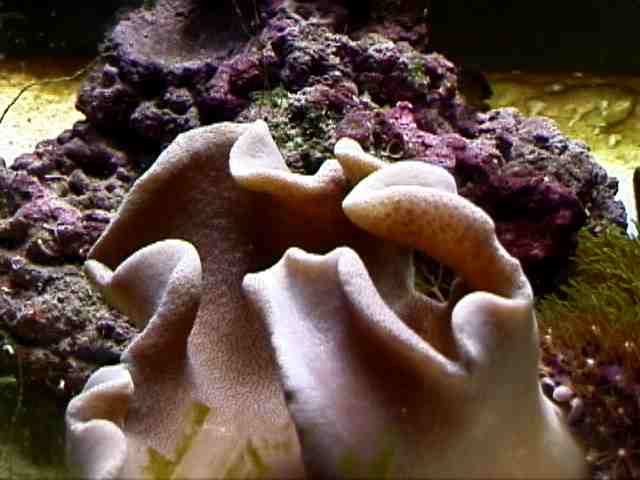


Aluminum is an ion that doesn’t get much discussion in reefkeeping circles. It has little in the way of positive biological functions. I am not aware of any marine organisms with a demonstrated requirement for aluminum.…
In a recent article I described in detail various attributes of boron in reef aquaria.1 These attributes include providing pH stability and the potential for toxicity from excessive boron. One of the issues with boron is that it provides alkalinity that is detected by standard alkalinity test kits,2 but that is not directly beneficial to organisms for calcification.3 Consequently, if boron levels are higher than in natural seawater, the interpretation of total alkalinity tests as carbonate alkalinity is confounded.…
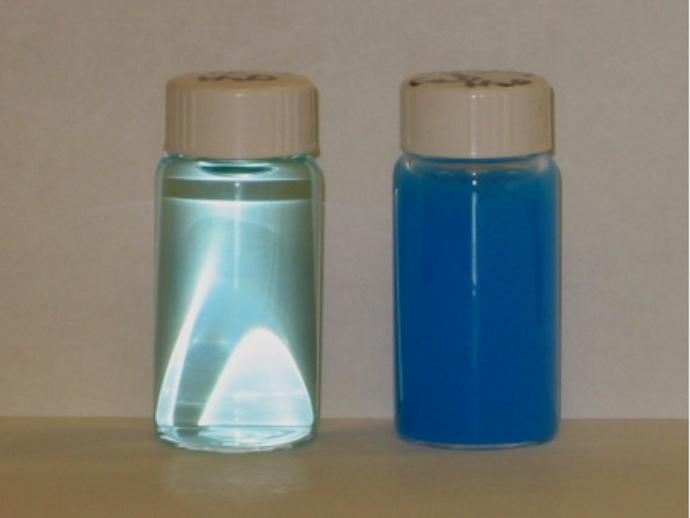
Ron Shimek recently showed that two salt mixes and natural seawater were more conducive to the development of sea urchin embryos than were two other salt mixes.1 He went on to suggest that elevated metal levels, such as copper, could have been responsible.…
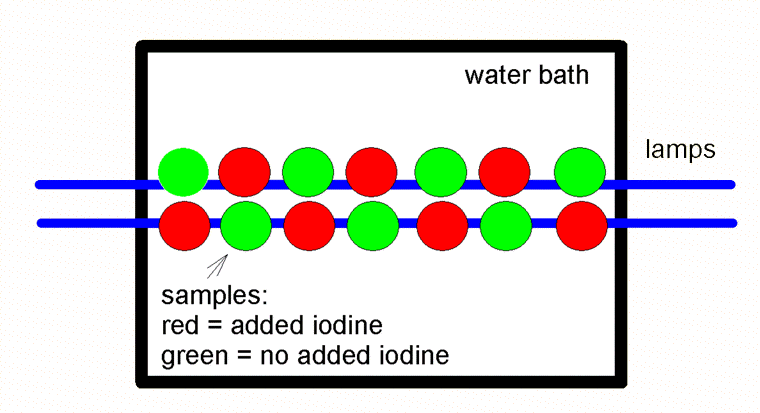
In a previous article1 I detailed many aspects of iodine in the ocean and in marine aquaria, including what forms it takes, what organisms are known to use it, and the sources of iodine in reef aquaria.…
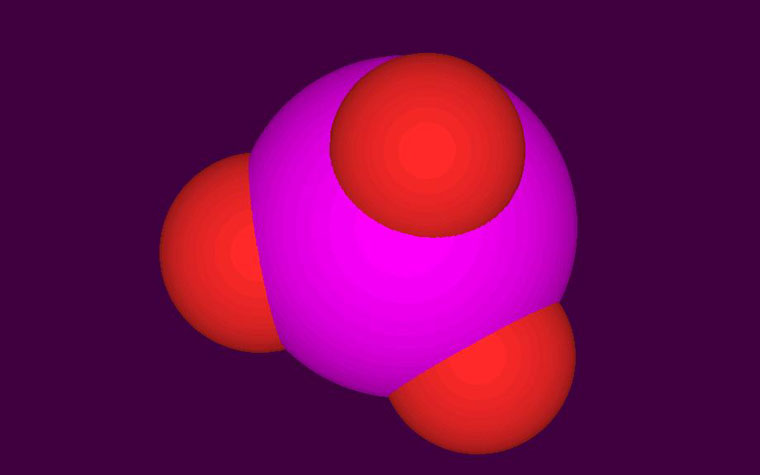
Iodine is a component of seawater that has long captured the interest of marine aquarists. There are many commercial iodine supplements intended for aquaria, and a lot of commentary about what it is supposed to be good for (name your critter: shrimp, Xenia, mushrooms, soft corals in general, macroalgae, etc.).…
There is no aspect of reef tank chemistry more important than calcium1 and alkalinity.2 Many of my previous articles have described various aspect of these systems in detail. In reading those articles, aquarists will note one pervasive theme: that maintaining appropriate levels of each is very important.…
Silica is a chemical that is feared by many reef keepers. Visions of a reef tank covered with diatoms so thick that you can’t see through the glass come to mind. More recently, others have suggested that soluble silica does not, in fact, increase diatom growth in reef tanks.…
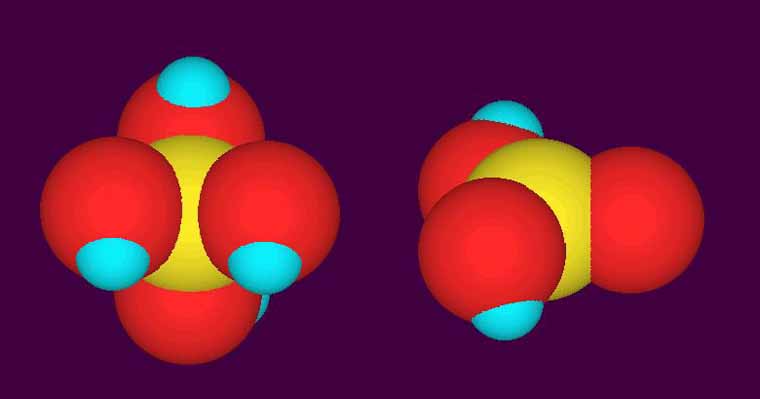
The importance of boron in marine aquaria is a subject that is not often discussed by hobbyists, despite the fact that many people dose it every day as part of their alkalinity supplements. In fact, most commentary on boron derives from manufacturers that are selling it in one fashion or another as a “buffering” agent.…
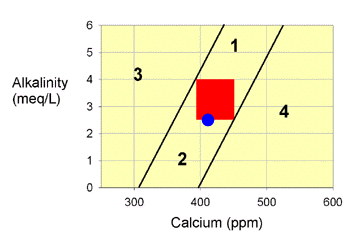
For many reefkeepers, correcting undesirable calcium 1 and alkalinity 2 values can be among the most vexing of the chemical problems encountered in maintaining a reef tank. Most reefkeepers know that if these parameters are not maintained appropriately, corals and other organisms may have difficulty 3 in depositing calcium carbonate skeletons.…
In my article two months ago, I discussed iron in reef tanks. Much of that article was directed toward the effect that iron has on macroalgae, and in that article I concluded that it was generally positive.…