

Many hobbyists, particularly those who embark on their reef-keeping journey before evaluating future employment opportunities, dream of an occupation that enables them to earn a living in the aquarium industry. What frequently begins as an enjoyable pastime often spirals into an infatuation with marine life and the hobby itself, or, as some would describe it, an obsession. Regardless of the chosen term, genuine passion, when coupled with patience and commitment, can give rise to a fulfilling career and highly rewarding lifelong journey. In fact, my passion for the hobby and curiosity about marine life were the catalysts that thrust me headfirst into the world of writing and dive photography. For those with aspirations for a career in marine biology, marine conservation, or another employment opportunity adjacent to the aquarium industry, curiosity and passion are the foundational traits that enable the self-discovery needed to pinpoint which career path one is best suited for.
The Essence of the Hobby
Among the vast array of hobbies enjoyed globally, there are intrinsic aspects of reef-keeping that make it notably seductive. The ability to carefully craft a living, breathing mesocosm for which we have the ability to handpick fish, coral, and other invertebrates to include or exclude speaks to the inner artist, while simultaneously integrating chemistry, biology, and even physics. Upon this realization, it becomes clear why we feel such a deep connection and sense of pride after the countless hours spent maintaining, treating disease and parasitic outbreaks, designing the system, and testing water quality. Whether consciously or subconsciously, this tedious work culminates in an expression of our own vision of beauty, with each organism kept in perfect harmony. Few activities combine multiple scientific fields with creativity to the same extent as that of the reef-keeping hobby.
Bearing this in mind, those feeling a sense of passion that leads them to long for a career in the industry must ask themselves a simple question: For which of these aspects am I truly passionate?
Marine Biology: The Scholarly Route
For those who take pleasure in one or more of the aforementioned scientific fields, attending university is the ideal route to expand upon their current knowledge while also quenching their insatiable curiosity. Earning a bachelor’s degree in marine biology is an excellent start. Alternatively, majoring or minoring in environmental science can be of equal value as an undergraduate degree, as many similar opportunities exist following graduation. Whether one should pursue a bachelor’s, master’s, or doctoral degree is dependent on the desired career. A master’s degree is adequate for employment as a lab assistant, while a doctoral degree is essential for conducting research with the intention to publish studies within scientific journals.
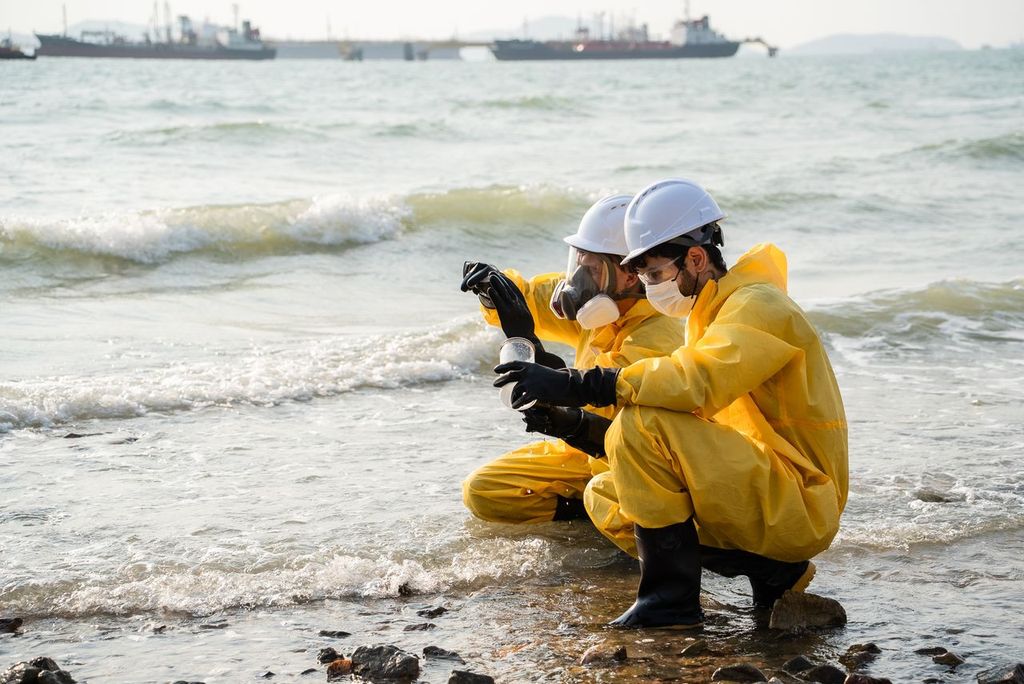
As the academic journey progresses, courses become less generalized, and students who wish to conduct serious research must choose which of the many specialized fields of study will become their primary focus. Undergraduate programs lay the foundation, but upon enrollment as a graduate student, a far more specific discipline must be chosen within the broad field of marine biology. Although there may be more opportunities for grants and other sources of funding for certain highly prominent fields, such as those focused on the biology or ecology of hermatypic corals or endangered marine mammals, the selection is highly personal, and it’s of paramount importance that the chosen field satiates the student’s curiosities. In recent years, certain disciplines that were formerly understudied have gained significant recognition within the scientific community due to recently published studies having shed light upon the importance of community ecology. For example, over previous decades, marine microbiology has become ever more important as our understanding of the mechanisms by which biofilms form, interact, and release settlement cues for coral larvae continues to grow.
For those considering a scholarly career path, it’s highly advisable to begin studying as soon as possible in preparation for the difficult, yet highly gratifying road ahead. Self-study through reading scientific publications on a daily basis is an excellent habit that can aid in illuminating topics of interest and prepare future students for collegiate studies. After reading and understanding a journal article, contacting the corresponding author(s) to ask any remaining questions is of extreme value. Contrary to what many believe, experts enjoy having their contributions acknowledged, and the vast majority take pleasure in answering questions relevant to their work.
Photography and Writing: For Creatives

If the self-expression embodied by the construction and selection of livestock, which concludes in the creation of a personal masterpiece is what one finds most alluring, other forms of art such as dive photography or writing are likely to provide a complementary and profitable creative outlet. I, myself, found this to be my calling, and building a career as a dive photographer and writer has enabled me to travel throughout much of the Coral Triangle, where I now reside. Due to the research I weave into many articles, I’ve also connected and regularly communicate with experts scattered across the world. Dive photography and writing, in particular, are skills which require years to hone, and mastery is a constant pursuit, yet an elusive goal. However, the satisfaction felt upon seeing your original work featured in magazines or published by popular online publications is an indescribable feeling. When many hours of hard, diligent work consisting of brainstorming, writing, proofreading, revising, and occasionally discarding entire articles to rewrite them results in an article enjoyed by many thousands of readers, the sense of inner pride is well worth the effort.
Marine Conservation: A Noble Cause
While not a direct extension of the aquarium industry, employment as a conservationist has become an increasingly prevalent interest among conscientious hobbyists who’ve developed a strong respect for marine life. Respect for the livestock we house and the burning desire to protect them are both highly commendable qualities. Furthermore, work as a conservationist is deserving of its own section due to the critical importance of taking immediate action and inspiring others to do the same. Contributing to marine conservation efforts, whether through hands-on volunteer work or simply offering donations to organizations dedicated to the cause that display transparency to showcase the fruits of their efforts, is admirable. For those craving to volunteer or offer monetary donations, it must be mentioned that organizations, commonly referred to as NGOs, are far from equal.
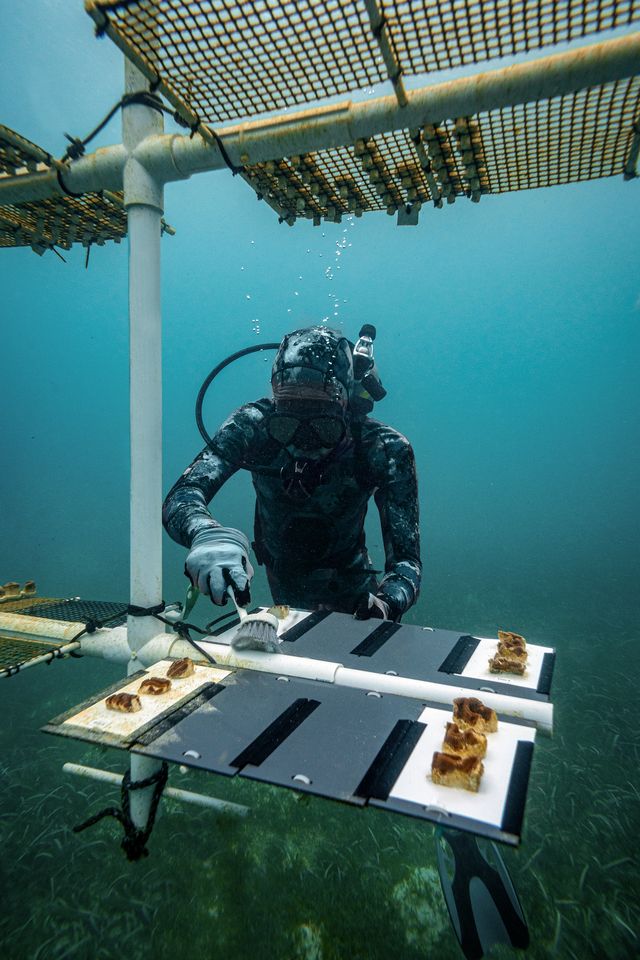
The designation as a “non-profit organization” can be easily misleading, and organizations should be evaluated on a case-by-case basis before offering donations or paying thousands of dollars for the privilege to volunteer. With this said, committing oneself to a career in marine conservation requires extensive training in multiple fields, such as taxonomy, ecology, and biology. It’s a difficult path, to say the least. While financial compensation is generally low, those who possess dedication and devotion to the cause reap rewards from the positive effects of their long hours spent in the field every day, and sometimes nightly while monitoring and collecting data during spawning events.
Entrepreneurial Endeavors
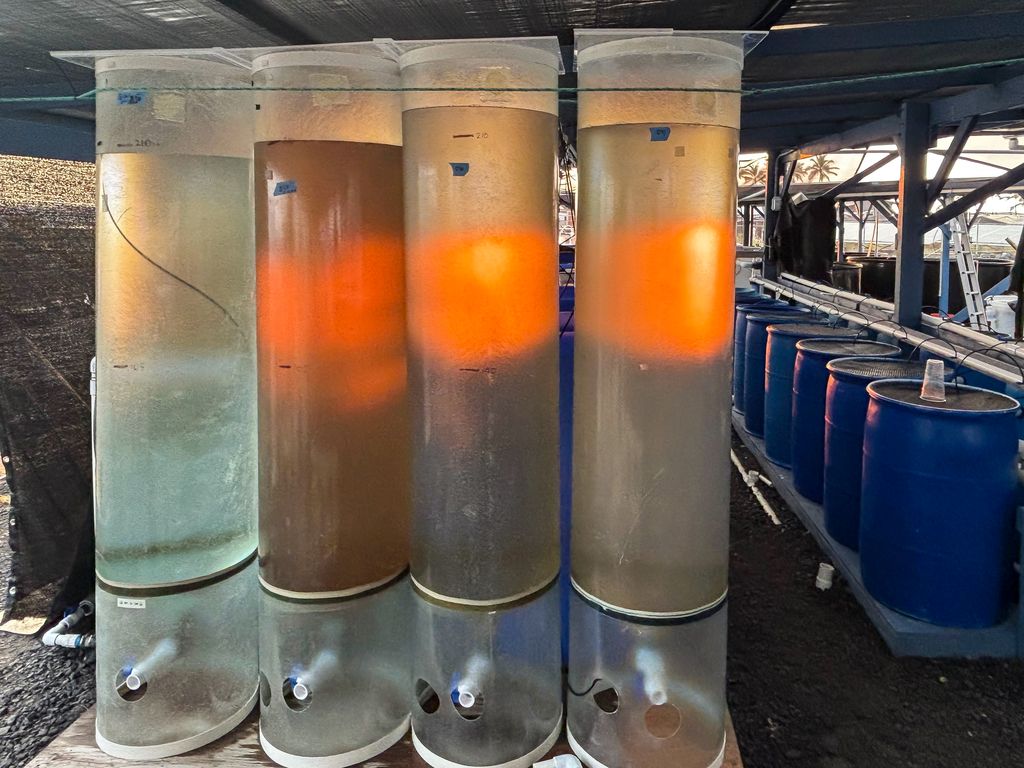
Photo credit: Eric Koch
While the prospect of establishing and operating a business within the industry is overwhelmingly the first, most idolized, and popular idea, it has always been, and will remain, an endeavor for which very few are well qualified, with the exception of the rare business-minded individual. This is not said to discourage, but instead, to encourage the self-evaluation and inner exploration essential to identify which occupation one is most likely to find long-term fulfillment. Through my personal experience as a former associate of a now well-known aquarium store in the US, I attempted to understand precisely why the business for which I worked had become such a success and was growing increasingly successful with the passing of each day, while the vast majority of others I’d visited in my life were incomparable, despite selling many of the same products and livestock.
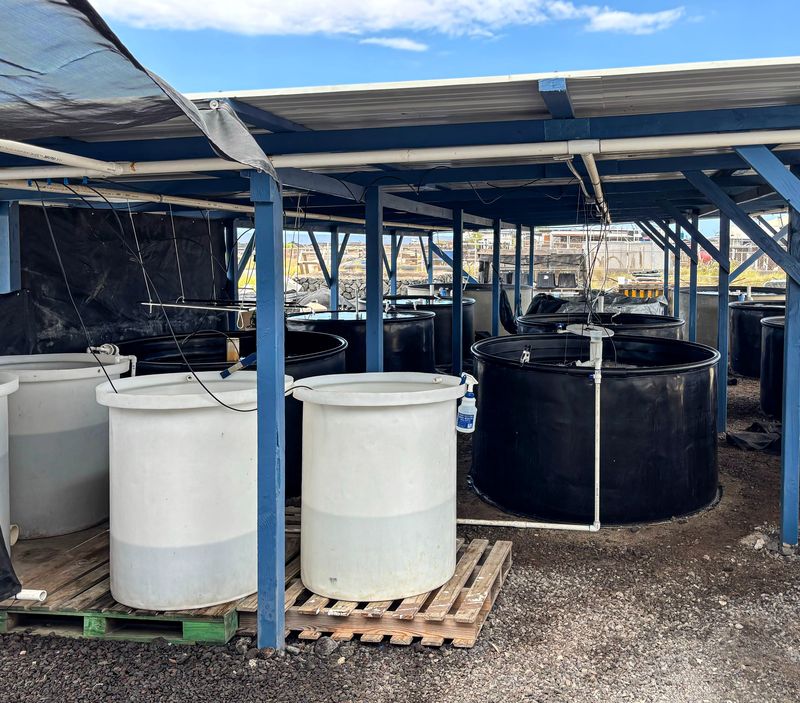
Photo credit: Eric_Koch
Eventually, I came to a conclusion. Although the owners of the store were present each day and practiced a “hands-on” management style, they clearly understood the importance of hiring quality staff and delegating specific duties to staff members who were most competent and capable of performing each task and took pride in their performance. In other words, delegation and hiring the optimal candidates appeared to be the keys to success. Despite quickly realizing that this was not the right path for me, I learned a great deal from the experience and would encourage others to apply or volunteer at a local fish store.
As the former MLB player, Vern Law, once said, “Experience is a hard teacher because she gives the test first, and the lesson afterwards”.
Passion: The Inextinguishable Flame
A commonality among those who have secured careers in the marine aquarium industry and have experienced overwhelming success is the passion they have for their work. I say this not as a mere assumption, but due to innumerable personal conversations with individuals whose careers revolve around the aforementioned professions. They, themselves, attribute their success to a burning passion. Despite having experienced many difficulties, inconveniences, and setbacks, they always continued to persist and trudge forward. Passion is the fuel that pushes them onward through hard work and days that seem never-ending. Passion is far different than mere enjoyment, despite feeling similar. The primary difference is that those who feel authentic passion are willing to make a full commitment and refuse to accept failure.
As Mark Twain famously said, “Do what you love and never work a day in your life”.
Malcolm Gray Levison is a writer and dive photographer whose work focuses on the biology and ecology of marine life, travel writing, and designing custom travel itineraries for travelers visiting the Philippines who are primarily interested in diving and wildlife. His photography and articles have been featured in Coral Magazine, Koralle Magazine, UltraMarine Magazine UK, Reefs.com, and ReefBuilders.com. He enjoys communicating with his readers and can be contacted directly through his website, www.malcolmgraylevison.com

0 Comments