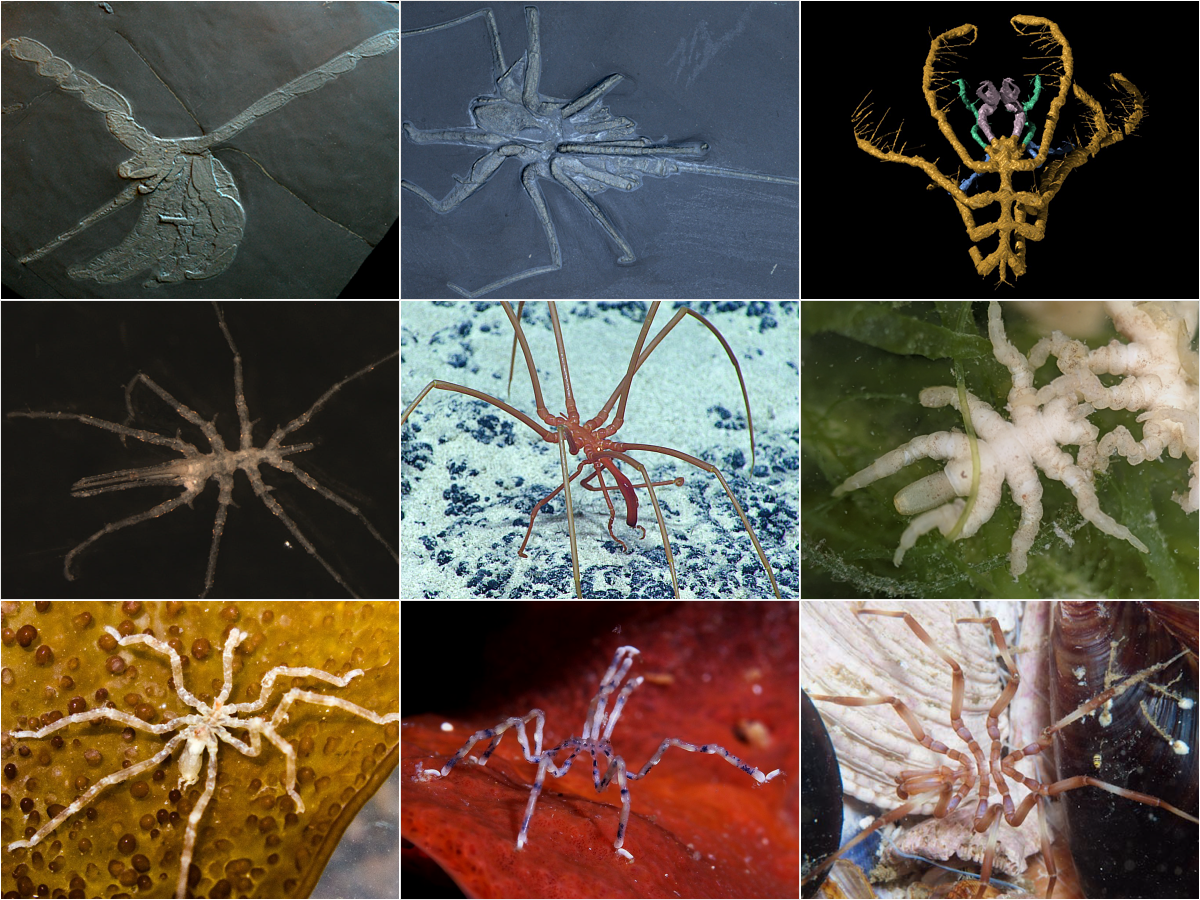
Identification: Tiny long-legged spider-like arthropods at zoanthid bases, often visible after lights out. Colonies may stay closed and gradually recede.
Pest Management
Treatment: Isolate affected colonies, perform repeated coral dips with mechanical basting, manually remove visible spiders and egg clusters, and repeat on a strict schedule.
Prevention: Quarantine and dip all zoanthid additions, inspect at night before transfer, and maintain dedicated tools for frag and display systems.
Description
Zoanthid-eating Spiders is a reef aquarium nuisance that can spread if early signs are ignored.
Identification: Tiny long-legged spider-like arthropods at zoanthid bases, often visible after lights out. Colonies may stay closed and gradually recede.
Treatment / Management: Isolate affected colonies, perform repeated coral dips with mechanical basting, manually remove visible spiders and egg clusters, and repeat on a strict schedule.
Prevention: Quarantine and dip all zoanthid additions, inspect at night before transfer, and maintain dedicated tools for frag and display systems.
Reference Photos
Sea spider close-up, representative morphology for zoanthid-eating pycnogonids. Photo credit: Peter Crowcroft. Source: Wikimedia Commons (CC BY 4.0).Pycnogonid reference image showing representative sea-spider body form. Photo credit: Romain Sabroux, Russell J. Garwood, Davide Pisani, Philip C. J. Donoghue, Gregory D. Edgecombe D. Siveter, M. Sutton, D. Briggs & D. Siveter (via Joanna M. Wolfe, Allison C. Daley, David A. Legg, Gregory D. Edgecombe) Jian-Jia Wang, Ding-Yong Huang, Rong-Cheng Lin, Xin-Qing Zheng NOAA Ocean Exploration & Research Alex Heyman Ken-ichi Ueda Rickard Zerpe Georgina Jones. Source: Wikimedia Commons (CC BY-SA 4.0).